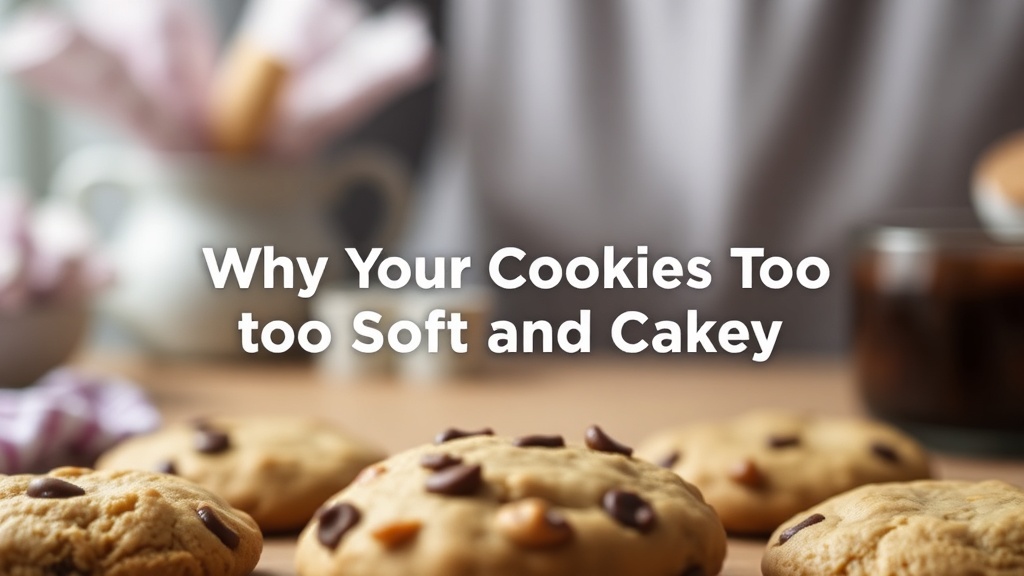
Why Your Cookies Are Too Soft and Cakey

A tray of cookies comes out of the oven looking perfect, but after five minutes of cooling, they lose their structure. Instead of a chewy, golden-brown edge and a soft center, you find yourself biting into something that feels more like a muffin or a sponge cake than a classic chocolate chip cookie. This frustrating texture usually stems from a few specific technical errors in the way ingredients are measured, temperature is managed, or leavening agents are used. Understanding these variables will help you move away from "cakey" results and toward the chewy, decadent texture most bakers strive for.
The Role of Flour and Measurement Errors
The most common reason for a cakey cookie texture is an incorrect ratio of dry to wet ingredients. If your cookie has too much structure and lacks a certain "chew," you likely have too much flour in your dough. This often happens because of how flour is scooped directly from the bag into a measuring cup. When you scoop, you pack the flour down, which can lead to using up to 30% more flour than the recipe actually requires.
To avoid this, you must use a digital scale to measure by weight (grams) rather than volume. If you do not have a scale, you should use the spoon and level method to ensure you aren't accidentally packing the flour into your measuring cup. Too much flour absorbs more moisture from the butter and eggs, resulting in a dough that is too thick to spread properly, which leads to that bread-like, cakey consistency.
The Impact of Overmixing
Once you add your flour to the wet ingredients, the way you handle the mixing bowl changes the final texture. Flour contains proteins that, when hydrated and agitated, develop gluten. Gluten is essential for bread, but in a cookie, excessive gluten development creates a tough, bready structure. If you use a stand mixer like a KitchenAid and leave the mixer running on medium speed once the flour is added, you are essentially making cookie dough that behaves like bread dough.
To keep your cookies soft and chewy rather than cakey, switch to a spatula and mix by hand once the flour streaks disappear. You want to mix only until the flour is just incorporated. This minimal agitation prevents the development of a strong gluten network, ensuring the cookie remains tender.
Understanding Fat and Sugar Ratios
The ratio of fat to sugar is the primary driver of a cookie's spread and texture. Fat (usually butter) provides moisture and prevents the cookie from becoming too structural, while sugar helps with caramelization and moisture retention. If your cookies are too cakey, you may be using too much egg or too little fat.
The Egg Variable
Eggs serve two purposes: they provide moisture and act as a leavening agent. However, if a recipe calls for whole eggs and you find your cookies are consistently too puffy or cakey, the egg white content might be the culprit. Egg whites are mostly water and protein, which creates a structural, "lifted" effect similar to a sponge cake.
If you want a denser, chewier cookie, try replacing one whole egg with two egg yolks. The extra lecithin and fat in the yolks will add richness and a fudgy texture without the airy lift provided by the whites. This is a common trick used by professional bakers to achieve that "bakery-style" center.
Butter Temperature and Type
The state of your butter when it meets your sugar dictates how much air you incorporate into the dough. If you use "creamed" butter (beating softened butter and sugar together until light and fluffy), you are intentionally folding air into the fat. This air expands in the oven, causing the cookie to rise and become cakey.
For a chewier, more substantial cookie, try melting your butter instead of creaming it. Melted butter results in a denser, more cohesive dough that spreads more easily. If you are looking to enhance the flavor of your cookies while using melted butter, you might enjoy learning why your brown butter tastes better when you use it warm. Using browned butter not only adds a nutty depth but also changes the moisture content, often leading to a more decadent, less "cakey" finish.
Leavening Agents and Chemical Reactions
Leavening agents—specifically baking powder and baking soda—are responsible for the rise in your cookies. If your recipe calls for a significant amount of baking powder, you should expect a cakey result. Baking powder is a complete leavener that creates lift through both chemical reaction and the expansion of air bubbles.
- Baking Soda: This promotes browning and spreading. It reacts with acidic ingredients (like brown sugar or molasses) to create a more subtle lift and a chewier texture.
- Baking Powder: This provides a more aggressive, vertical lift. If your cookies look like little mountains rather than flat discs, you likely have too much baking powder.
If you want a cookie that stays low and chewy, ensure your recipe relies more heavily on baking soda rather than baking powder. If you are using a recipe that calls for both, do not be tempted to add extra baking powder to get "more lift," as this is the fastest way to turn a cookie into a muffin.
Temperature and Baking Time
The temperature of your oven and the temperature of your dough are the final pieces of the puzzle. If your oven is too cool, the cookies will sit in the heat for too long, allowing the leavening agents to work excessively and create a high, cakey dome. A high temperature (around 375°F or 190°C) helps the edges set quickly, which limits the rise and encourages more spread.
Chilling the Dough
One of the most effective ways to prevent a cakey cookie is to chill your dough in the refrigerator for at least 24 to 72 hours before baking. This process, often called "aging" the dough, allows the flour to fully hydrate and the fats to solidify. A cold dough will not rise as aggressively in the oven, resulting in a much more controlled spread and a deeper, more developed flavor.
When you bake cold dough, the outside of the cookie sets before the inside has a chance to puff up significantly. This creates the coveted contrast between a crisp exterior and a soft, chewy interior. If you are in a rush and bake dough straight from the counter, the warmth of the fat will cause it to rise quickly and potentially become airy and cakey.
The "Carryover" Cooking Principle
Many home bakers make the mistake of waiting until a cookie looks "done" in the oven. If a cookie looks fully cooked and firm while it is still on the baking sheet, it is likely overbaked. Because cookies continue to cook after they leave the oven (a process called carryover cooking), you should remove them when the edges are golden brown but the centers still look slightly soft and perhaps even a bit underdone.
Let the cookies rest on the hot baking sheet for at least 5 to 10 minutes before moving them to a wire cooling rack. This allows the center to set into a chewy consistency rather than drying out into a hard or cakey texture. If you move them to a rack too early, they might lose their shape, but if you leave them on the sheet too long, the residual heat might overcook the centers.
Summary Checklist for Chewy Cookies
To troubleshoot your next batch, run through this checklist to ensure you aren't inadvertently creating a cake-like texture:
- Weight vs. Volume: Are you weighing your flour in grams to avoid over-packing?
- Mixing Method: Did you stop mixing the moment the flour disappeared to avoid excess gluten?
- Fat State: Are you using creamed butter (for lift) or melted butter (for chew)?
- Leavener Type: Does your recipe lean more on baking soda for spread or baking powder for lift?
- Dough Temperature: Did you chill the dough to control the rise?
- Oven Timing: Did you remove the cookies while the centers still looked slightly soft?
Baking is a science, but it is a science you can master with a few small adjustments. By focusing on these technical details—specifically flour measurement and the way you handle your fats and leaveners—you can move past the "cakey" frustration and start producing professional-quality cookies every time.