Why Your Brown Butter Tastes Better When You Use It Warm

Quick Tip
Always incorporate warm brown butter into your batters to ensure a smooth, emulsified texture and deep nutty aroma.
Why Your Brown Butter Tastes Better When You Use It Warm
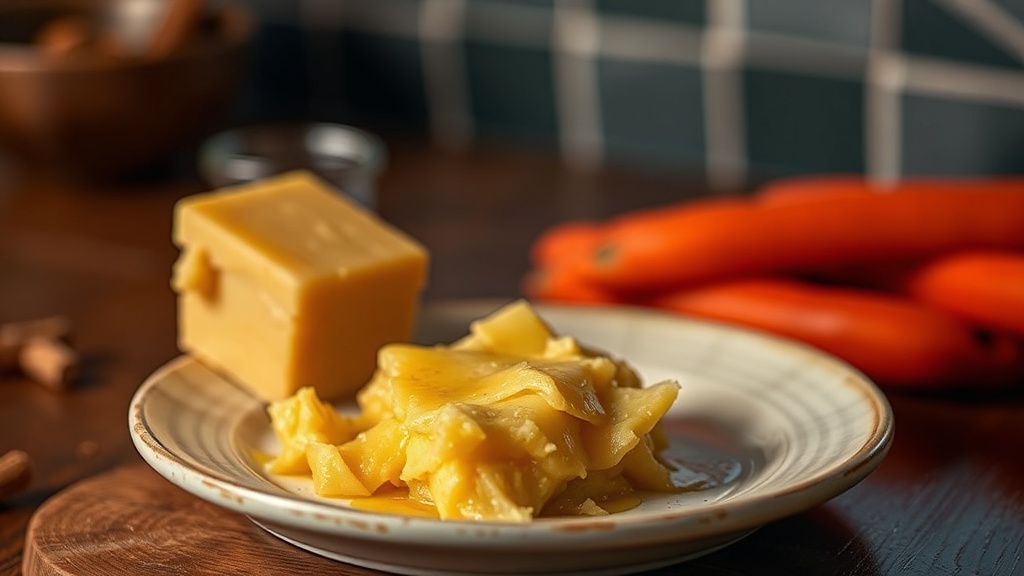
Have you ever wondered why your homemade chocolate chip cookies sometimes taste a bit "flat" even when you follow the recipe perfectly? The secret often lies in the temperature of your fat. Using brown butter (beurre noisette) while it is still warm can significantly enhance the texture and flavor profile of your baked goods by ensuring the toasted, nutty aromas are fully integrated into your dough.
The Science of Flavor and Texture
When you brown butter, you are essentially simmering the milk solids until they toast and undergo the Maillard reaction. This process creates deep, nutty notes that are highly volatile. If you let the butter cool completely and solidify before adding it to your creamed sugar and butter mixture, those aromatic compounds can become "trapped" or muted. Using it while it is still warm—around 90°F to 110°F—allows the fat to remain liquid and more easily emulsify with your liquids, such as eggs or vanilla extract.
Beyond flavor, temperature affects the final structure of your bake. If you add cold or solidified brown butter to a recipe, you might struggle with a broken emulsion, leading to a grainy texture. If you are making a cookie dough and use warm butter, the dough will be much softer. This can sometimes lead to issues with cookies spreading too much during the bake, so keep an eye on your chilling times.
How to Use Warm Brown Butter Effectively
To get the best results without ruining your recipe, follow these practical steps:
- Monitor the Temperature: After browning your butter in a heavy-bottomed pan like a 10-inch All-Clad or a cast iron skillet, let it sit just long enough to cool slightly, but not enough to solidify.
- The Emulsion Test: If your recipe calls for creaming butter and sugar, and you are using brown butter, whisk the warm butter into the sugar vigorously. It should look like a smooth, pale paste rather than a separated mess.
- Pair with High-Quality Aromatics: To truly elevate the toasted notes, add your vanilla during the warm butter stage. This helps the vanilla bean extract or paste infuse more deeply into the fat.
Pro Tip: If you accidentally let your brown butter solidify, do not microwave it on high. Instead, place the glass bowl over a small pot of simmering water (a double boiler method) to gently bring it back to a liquid state without burning those precious toasted milk solids.