Vanilla Bean Secrets: Choosing the Best Extract for Your Bakes

A single vanilla bean can contain over 10,000 tiny seeds, yet the vast majority of the aromatic compounds we crave—the vanillin—is often lost in low-quality, highly processed extracts. While many home bakers view vanilla as a mere background note, the quality of your extract dictates whether a dessert tastes "homemade" or "artificial." Understanding the chemistry and sourcing of this essential ingredient is the first step toward elevated baking.
The Anatomy of Vanilla: Extract vs. Imitation
The primary difference between high-quality vanilla extract and imitation vanilla lies in the source of the vanillin molecule. In pure vanilla extract, vanillin is a complex byproduct of the fermentation and aging process of Vanilla planifolia beans. This natural process creates a profile of hundreds of secondary aromatic compounds, including ethyl vanillin, phenols, and esters, which provide depth and warmth. In contrast, imitation vanilla—often labeled as "vanilla flavoring"—relies on synthetic vanillin, usually derived from petrochemicals or lignin. While synthetic versions are efficient, they lack the nuanced, woody, and floral undertones that define a premium bake.
When selecting a product, always check the ingredient list. A true vanilla extract should contain only two ingredients: vanilla extractives (the bean essence) and alcohol (the solvent). If you see "vanillin," "artificial flavor," or "color additive," you are looking at a synthetic product. For high-heat applications like a classic Crème Brûlée or a sponge cake, the purity of these ingredients becomes even more critical as the heat can sometimes amplify the chemical aftertaste of cheaper imitations.
Understanding the Solvent: Alcohol vs. Glycerin
The liquid that holds the vanilla essence is just as important as the bean itself. Most professional-grade extracts use a high-proof alcohol, typically around 35% ABV, as the carrier. Alcohol is an excellent solvent because it extracts the heavy oils and aromatic compounds from the bean very effectively. However, if you are baking for children or avoiding alcohol, you might encounter vanilla paste or vanilla glycerin.
- Alcohol-Based Extract: The industry standard. It is thin, easy to measure, and highly effective at distributing flavor throughout a batter.
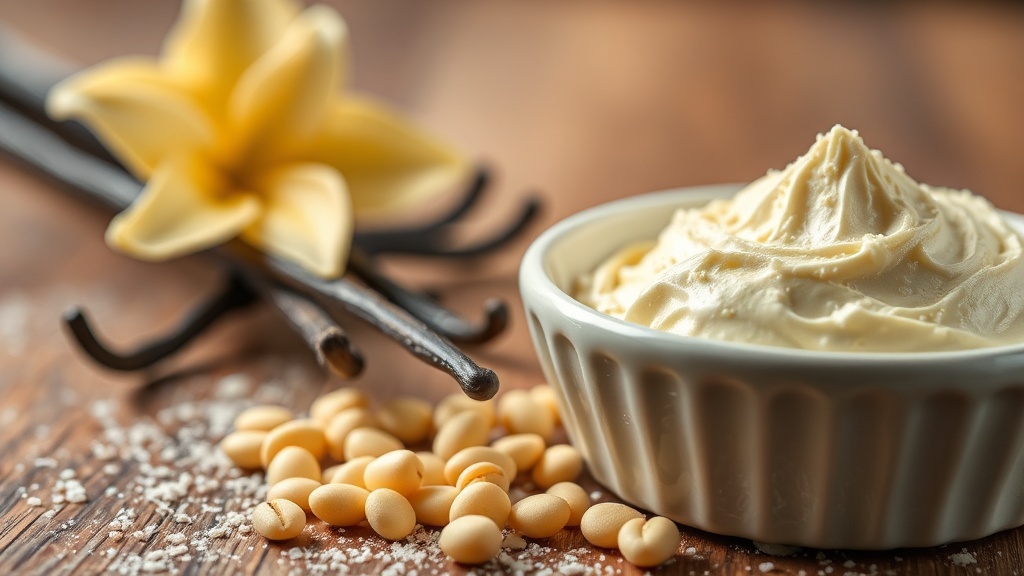
- Vanilla Paste: This is a hybrid between an extract and a bean. It contains the liquid extract plus the actual viscous seeds (the "caviar") of the bean. It is perfect for adding visual texture to a vanilla bean panna cotta or a sugar cookie glaze.
- Vanilla Bean Powder: This is the dehydrated, ground version of the bean. It is incredibly potent and provides a beautiful speckled look to frostings, but it can be quite absorbent, potentially altering the hydration of a delicate cake batter if not accounted for.
The Hierarchy of Vanilla Quality
Not all vanilla is created equal, and the origin of the bean significantly influences the flavor profile. If you are looking to elevate a recipe, choosing a specific origin can act as a "flavor tool" tailored to your specific bake.
Madagascar Bourbon Vanilla: The Gold Standard
Most bakers are familiar with Madagascar Bourbon vanilla. It is characterized by a creamy, rich, and slightly sweet profile. Because of its predictable and mellow nature, it is the ideal choice for heavy-duty bakes like pound cakes, chocolate chip cookies, or a rich vanilla custard. If your goal is a classic, comforting flavor, this is your go-to.
Tahitian Vanilla: The Floral Alternative
Tahitian vanilla is a different species entirely (*Vanilla tahitensis*). It is much more delicate and possesses a distinctively floral, fruity, and almost berry-like aroma. This is not a "heavy" vanilla. It is best used in lighter, more delicate bakes where you want a hint of elegance, such as a lemon chiffon cake or a light fruit tart. Be aware that Tahitian vanilla is often sold as an absolute or a highly concentrated extract, so a little goes a long way.
Mexican Vanilla: The Spicy Contender
Mexican vanilla often sits between the sweetness of Madagascar and the floral notes of Tahiti. It frequently carries a subtle hint of spice, reminiscent of clove or cinnamon. This makes it a fantastic companion for spice-forward recipes, such as gingerbread or spiced pumpkin muffins, where you want the vanilla to complement rather than compete with the spices.
How to Spot a "Fake" in the Grocery Aisle
The market is flooded with "Vanilla-Flavored" products, which is a legal loophole used to sell inexpensive imitations. To ensure you are getting the real deal, use these three professional litmus tests during your next shopping trip:
- The Label Test: Look for the word "Extract." If the label says "Vanilla Flavoring" or "Imitation Vanilla," it is not true vanilla. A real product will explicitly state "Pure Vanilla Extract."
- The Color Test: Real vanilla extract is a deep, dark, rich amber color. If the liquid is pale, translucent, or looks like water, it likely lacks the concentration of vanillin and oils found in high-quality extracts.
- The Price Point Test: High-quality vanilla is a global commodity subject to crop yields in Madagascar and Tahiti. If you see a "Pure Vanilla Extract" priced significantly lower than other premium brands, it is likely a blend or a highly diluted version. Real vanilla is an investment, and the price usually reflects the labor-intensive harvesting process.
Practical Application: When to Use Which Form
Knowing which vanilla to use depends entirely on the stage of your baking process. Using the wrong form can lead to textural issues or lost flavor.
For Liquid Integration: Use a standard liquid extract when you need to incorporate flavor into a liquid medium, such as a buttercream frosting or a cake batter. The liquid disperses easily and ensures there are no clumps of flavoring in the final crumb.
For Visual Impact: Use vanilla bean paste when you want the "wow" factor. If you are making a vanilla bean frosting for a wedding cake, the tiny black specks from the paste signal to the guest that they are eating a high-end, artisanal product. This is also excellent for puddings and custards where the texture of the seeds adds a sense of luxury.
For High-Heat Aromatics: When making a caramel or a stovetop custard, the scent of the vanilla is often lost to evaporation. In these cases, I recommend using a slightly higher concentration of a robust Madagascar Bourbon extract or even folding in real vanilla bean seeds at the very end of the cooking process to preserve the volatile aromatic compounds.
"Vanilla is the backbone of the dessert world. It doesn't just add sweetness; it provides the structural depth that allows other flavors like chocolate, fruit, or spice to truly shine."
Storage and Longevity: Preserving Your Investment
Because high-quality vanilla extract is alcohol-based, it is incredibly shelf-stable, but it is not immortal. To prevent the oxidation of the aromatic compounds, you must store your extracts in a cool, dark place. A pantry is much better than a windowsill or a countertop near a stove, as heat and light will degrade the vanillin over time.
If you are using vanilla bean paste or whole beans, the rules change. Whole beans should be kept in an airtight glass jar in a cool, dark environment. Never refrigerate whole vanilla beans, as the moisture can lead to mold growth. If you find your beans are becoming too hard or brittle, you can "rehydrate" them by placing them in a small jar with a tablespoon of vodka or vegetable glycerin.
When working with homemade extracts—perhaps you've started your own by steeping beans in vodka—ensure your jars are sterilized and the lids are airtight. A well-made homemade extract can actually improve with age, much like a fine spirit, as the alcohol continues to break down the complex sugars and oils within the bean.
By moving away from the convenience of imitation flavors and embracing the complexity of real vanilla, you aren't just changing an ingredient; you are changing the entire profile of your baking. Whether it's the subtle spice of a Mexican bean in a seasonal muffin or the luxurious speckles of a paste in a summer pavlova, the right vanilla makes all the difference.