Why You Should Switch to European Style Butter

Higher Fat Content for Richer Flavor
Lower Water Content for Better Texture
Better Emulsification in Delicate Creams
Imagine a baker pulling a tray of golden, flaky croissants from the oven. The layers are distinct, crisp, and shatter beautifully upon the first bite. Now, imagine another baker using a standard supermarket butter to make the exact same recipe, only to find the pastry is heavy, greasy, and lacks that signature lift. The difference isn't just luck; it is the fat source. This post explains why switching from standard American butter to European-style butter can fundamentally change the texture, flavor, and success of your baked goods.
In the world of baking, butter is more than just a way to add moisture; it is a structural component. Whether you are making a laminated dough like puff pastry or a simple shortbread, the quality of your fat determines your final result. European-style butter differs from standard domestic butter in two primary ways: milkfat content and water content. Understanding these technical differences will help you troubleshoot your recipes and elevate your home baking from "good" to "professional grade."
1. Higher Milkfat Content for Better Texture
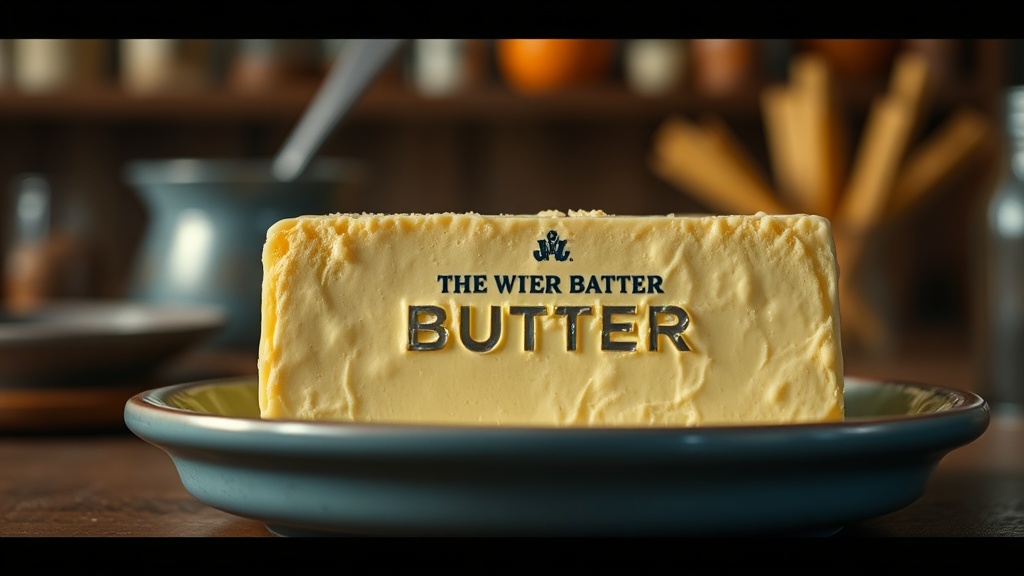
Standard American butter typically contains about 80% milkfat, with the remaining 20% being water and milk solids. In contrast, European-style butter—brands like Kerrygold or Plugra—often contains 82% to 86% milkfat. While a 4% or 6% difference might seem negligible in a single serving, it is transformative in a large-scale baking recipe.
High milkfat content provides several technical advantages:
- Improved Emulsification: In recipes like cake batters or pound cakes, the higher fat content helps create a more stable emulsion with eggs and sugar. This results in a tighter, more consistent crumb.
- Better Lamination: When making laminated doughs (like danish or croissants), the fat must stay in distinct layers. Because European butter has less water, it is less likely to melt into the flour during the folding process, allowing for those distinct, flaky layers.
- Reduced Stickiness: Water is the enemy of structure in many pastries. By using a higher-fat butter, you reduce the amount of moisture introduced into the dough, preventing the dough from becoming overly tacky or difficult to handle.
If you have ever wondered why your cookies are too soft and cakey, a common culprit is an excess of moisture in your ingredients. Switching to a higher-fat butter can help tighten that structure and provide a more substantial bite.
2. Lower Water Content for Precision Baking
The most significant technical difference between these two types of butter is the water-to-fat ratio. Standard butter has a higher water content, which can be problematic in precision-based baking. When water enters a hot oven, it turns into steam. While steam is necessary for many bakes, too much uncontrolled steam can lead to structural failures.
In high-heat applications, such as making a Beurre Noisette (Brown Butter), the water content in standard butter can cause aggressive sputtering and a longer cooking time. Because European butter has less water, it reaches the browning stage more predictably and with less mess. If you want to experiment with deeper flavors, understanding why your brown butter tastes better when you use it warm is a great starting point, and using a low-water butter will make that browning process much more stable.
Using a low-water butter also aids in the "creaming method." When you cream butter and sugar together, you are essentially trapping air bubbles within the fat. If the butter has too much water, those bubbles can collapse more easily, leading to a dense, heavy cake rather than a light, airy one.
3. Superior Flavor Profiles
Flavor is where the impact of European-style butter becomes most obvious to the palate. Most European-style butters are made using the churning method rather than the continuous process used for mass-market butter. This traditional method preserves more of the milk solids and creates a much more complex flavor profile.
When you use a premium butter, you aren't just adding fat; you are adding flavor notes that include:
- Nutty Undertones: The higher concentration of milk solids provides a natural, toasted nut flavor.
- Creaminess: The higher fat content creates a "mouthfeel" that is much richer and more luxurious.
- Complexity: Standard butter can often taste one-dimensional or purely salty. European butter has a subtle sweetness and a depth that complements vanilla, chocolate, and spices.
This is especially critical in recipes where butter is the star ingredient, such as shortbread, financiers, or a simple butter tart. In these cases, the butter is not a background player; it is the primary flavor profile. Using a high-quality brand like Isigny Sainte-Mère or Lurpak can turn a simple biscuit into a gourmet treat.
4. Stability in Temperature and Texture
Because of the different ratios of fat to water, European-style butter behaves differently during various stages of the baking process. This affects how you should prepare your ingredients before you even begin mixing.
Room Temperature Management: When a recipe calls for "softened" or "room temperature" butter, it is vital to be precise. Because European butter has a higher fat content, it can sometimes feel more "solid" even when it reaches room temperature. It is essential to know why your butter should be room temperature before you start, as the higher fat content can actually make it more resistant to softening compared to standard butter. If your butter is too cold, it won't cream with the sugar; if it's too warm, the higher fat content may cause it to lose its structure too quickly.
The Lamination Factor: For those attempting advanced techniques like puff pastry or brioche, the stability of the butter is paramount. In a professional kitchen, bakers often use "dry butter" or "beurre de tourage," which is a specialized European-style butter designed to be highly plastic. This means it can be rolled out into a thin sheet without breaking or melting. Standard domestic butter lacks this plasticity and tends to shatter or melt, which ruins the layers of your pastry.
5. Practical Tips for Switching
Switching to European-style butter doesn't require a complete overhaul of your pantry, but it does require a slight shift in how you approach your ingredients. Here is how to make the transition successfully:
- Check the Label: When shopping, look specifically for the milkfat percentage. If it says 82% or higher, you have found a high-quality product.
- Adjust for Volume: Because European butter is richer and more flavorful, you might find that you don't need as much of it to achieve a great taste. However, for the sake of chemical ratios in baking, I recommend sticking to the weight specified in your recipe rather than substituting by volume.
- Store Properly: High-fat butter can absorb odors from your refrigerator more easily than standard butter. Always keep your premium butter in its original wrapper or an airtight container to ensure that the delicate flavor remains pure.
- Use Weight, Not Cups: If you are moving to a higher-quality ingredient, stop measuring by volume. A "cup" of butter can vary significantly in weight depending on how much air is packed into it. Use a digital kitchen scale to measure your butter in grams for the most consistent results.
Transitioning to European-style butter is one of the simplest ways to improve the quality of your home baking. It is a small investment that yields a massive return in terms of flavor, texture, and structural success. Whether you are a beginner trying to get your first batch of cookies right or an experienced baker perfecting a sourdough pastry, the quality of your fat truly matters.