High Hydration Dough and the Magic of Lamination

Imagine you pull a loaf out of the oven, expecting a standard crust, but instead, you find a wild, open crumb with translucent, gelatinous bubbles and a thin, crispy crust that shatters when you touch it. This happens because of high hydration and a technique called lamination. High hydration doughs—those with a high ratio of water to flour—can feel intimidating and sticky, but they are the secret to that professional, airy texture. Today, we're breaking down how to handle wet dough and how lamination can actually make your life easier rather than harder.
Most home bakers hit a wall when they try to move from a standard 65% hydration dough to something more ambitious like 80% or even 90%. It feels like trying to knead a bowl of glue. But if you master the water-to-flour ratio and use lamination to build strength, you'll stop fighting the dough and start working with it.
What is High Hydration Dough?
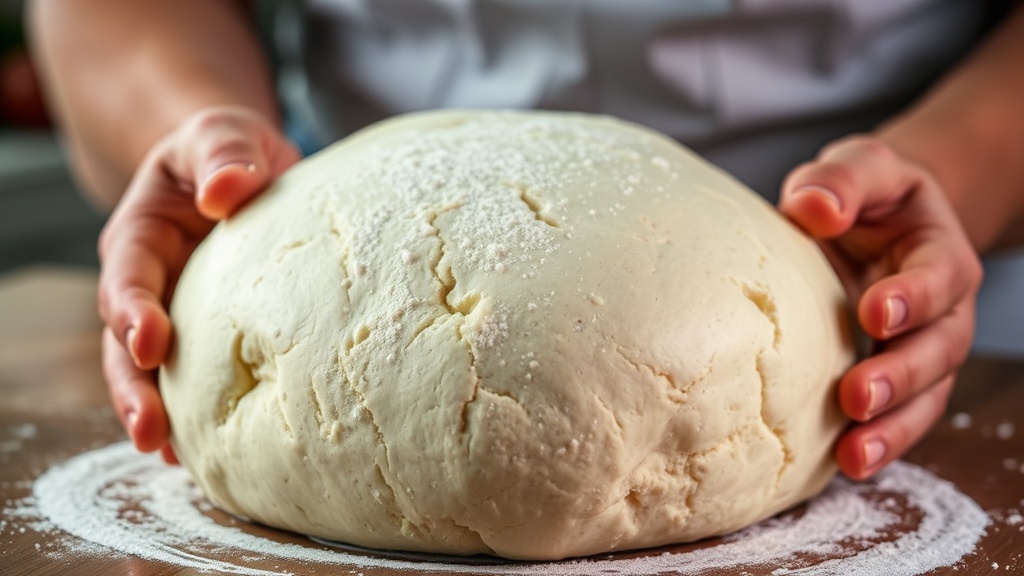
High hydration dough is any dough where the water content is significantly higher than the flour weight, often resulting in a very soft, extensible consistency. In the world of sourdough, this usually means a hydration level of 75% or higher. This extra water is what creates steam during the bake, which pushes the bread up and creates those big, beautiful holes (we call those "alveoli" in the baking world) that everyone loves.
When you increase water, you're essentially adding more "fuel" for the steam. However, more water also means less structure. If you don't have enough gluten development, your dough will just turn into a puddle on the counter. You might have seen this happen when you're trying to make perfect sourdough bread at home and the dough just refuses to hold its shape during the final proof.
To handle this, you need to understand the relationship between water and gluten. The more water you add, the more you need to develop a strong protein network. You can't just dump it all in and expect it to work; you have to build it in stages.
The Hydration Scale
It helps to see where your dough falls on the spectrum. Here is a quick breakdown of how hydration affects the dough's behavior:
| Hydration Level | Dough Consistency | Common Uses |
|---|---|---|
| 50% - 60% | Stiff and easy to handle | Standard sandwich bread, bagels |
| 65% - 75% | Soft but holds shape | Standard sourdough loaves |
| 75% - 85% | Very sticky, needs skill | Artisan sourdough, Ciabatta |
| 85% + | Liquid-like, extremely difficult | High-end Focaccia or specialized sourdough |
How Do You Perform Lamination?
Lamination is the process of stretching your dough out into a very thin sheet and folding it over itself to build strength without heavy kneading. Instead of traditional kneading, which can be exhausting and messy, lamination uses the weight of the dough and the surface area to create structure. It’s a much more "hands-off" way to build a strong gluten network in high-hydration doughs.
The process usually looks like this:
- The Stretch: After your initial bulk fermentation has started, take your dough and gently stretch it out on a wet or oiled surface. You want it to be as thin as possible without tearing.
- The Fold: Once it's a thin sheet, fold it like a letter—top third down, bottom third up, then the sides in.
- The Rest: Let the dough rest for 20-30 minutes. This allows the gluten to relax so you can do it again.
- The Repetition: Repeat this process 2 or 3 times during your bulk fermentation stage.
I love this technique because it’s much more forgiving than traditional kneading. If your dough feels like it's fighting you, just stop. Let it rest. A little patience goes a long way (and honestly, it's much less of a workout for your arms).
Using a high-quality flour is also a big deal here. If you're using a low-protein flour, the lamination won't hold. I always recommend checking the protein content on your bag—look for something around 12-14%. If you're curious about the science of how proteins work in bread, Wikipedia's entry on Gluten is a great place to start. You need that protein to actually form the "web" that holds the air bubbles.
Why Is My Dough Too Sticky to Handle?
Your dough is likely too sticky because the hydration level is too high for the specific flour you're using or because the gluten hasn't been developed sufficiently. This is the most common frustration I hear from people starting out with sourdough. They see a recipe for 80% hydration, they follow it, and then they end up with a sticky mess that sticks to every finger in sight.
Here are a few reasons why this happens:
- Low Protein Flour: If your flour doesn't have enough strength, it can't absorb the water. It's just wet flour, not dough.
- Lack of Rest: If you try to work the dough too soon after adding water, the flour hasn't had time to fully hydrate.
- Temperature: Warm water speeds up fermentation but can also make the dough feel much more "slack" and unmanageable.
One trick I use is the "wet hand" method. Instead of using flour to stop the sticking (which can actually change your hydration ratio and ruin the recipe), just wet your hands with water. Water and dough don't stick to each other nearly as much as flour and dough do. It’s a total life-saver when you're trying to shape a loaf.
If you find yourself constantly struggling with the texture of your dough, you might want to check your salt levels. Salt isn't just for flavor; it actually helps tighten the gluten structure. If you haven't already, look into choosing the right salt for your sourdough to ensure you're getting that structural support.
Another thing to consider is your environment. If your kitchen is very hot, your dough will move much faster. This can lead to a "blown out" dough that loses all its structure because the yeast is working too fast for the gluten to keep up. If you see your dough becoming a puddle, it's time to move it to a cooler spot.
Lamination is essentially your safety net. When you're dealing with those high percentages of water, lamination acts as a way to "organize" the dough. It takes a chaotic, sticky mass and turns it into a structured, layered system. It’s almost like building a house—the water is the space, but the lamination is the framework that keeps the walls from falling down.
Don't be afraid of the mess. Every single one of us has had a moment where the dough ends up on the ceiling or stuck to the bottom of a bowl. It's part of the process. The more you do it, the more you'll learn to "read" the dough. You'll start to feel when it's ready for another fold and when it's had enough. It's a tactile skill, not just a mathematical one.
If you're feeling stuck, try reducing your water by 5% next time. It's much easier to add water to a stiff dough than it is to try and fix a liquid one. Once you feel confident with a 70% hydration dough, then move up to 75%, and then 80%. Building these skills incrementally is the best way to ensure you actually enjoy the process rather than feeling defeated by it.