
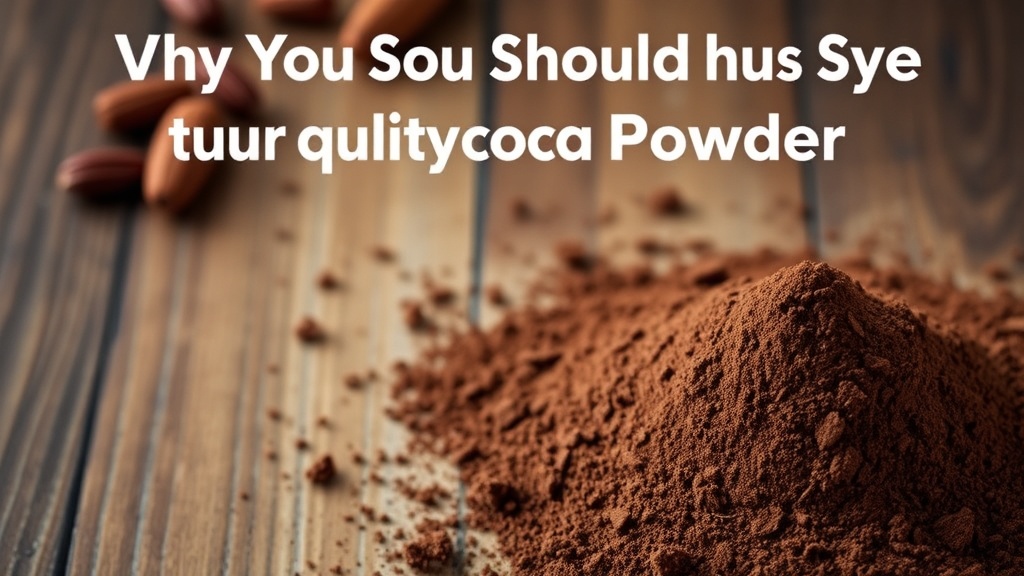
Why You Should Use High Quality Cocoa Powder

Natural Cocoa Powder vs Dutch-Processed
The Importance of Fat Content
How Acidity Affects Your Recipe
Roughly 70% of the cocoa beans used in the commercial chocolate industry are processed using the alkalization method, a process that significantly alters the natural acidity and flavor profile of the bean. This post explores why choosing high-quality, non-alkalized or premium alkalized cocoa powder can be the difference between a mediocre chocolate cake and a professional-grade dessert. Understanding the nuances of cocoa quality will help you troubleshoot flat flavors and elevate your chocolate-based recipes from simple to spectacular.
The Difference Between Natural and Dutch-Processed Cocoa
The most fundamental decision you will make when shopping for cocoa is choosing between natural cocoa powder and Dutch-processed cocoa. This isn't just a matter of preference; it is a matter of chemistry that affects how your baked goods rise and how they taste.
Natural Cocoa Powder
Natural cocoa powder is produced by pressing cocoa beans to extract cocoa butter, leaving behind a powder that retains its natural acidity. This powder is lighter in color, often appearing as a reddish-brown, and has a sharp, bright, and slightly fruity flavor profile. Because it is acidic, it reacts directly with baking soda (sodium bicarbonate) to create carbon dioxide bubbles, which helps your cakes rise. If you are making a recipe that calls for baking soda—like a classic Devil's Food cake—using natural cocoa is essential for the structural lift of the sponge.
Dutch-Processed Cocoa
Dutch-processed cocoa has undergone an alkalization process, where the powder is treated with an alkaline solution (like potassium carbonate) to neutralize its natural acidity. This results in a much darker, almost black color and a much smoother, mellower flavor. While it is less "bright" than natural cocoa, it is much more consistent. However, because the acidity is gone, Dutch-processed cocoa will not react with baking soda. If a recipe calls for baking soda and you use Dutch-processed cocoa, your cake may end up dense and heavy. For these recipes, you must use baking powder, which contains its own acid to trigger the rise.
Flavor Intensity and Depth
High-quality cocoa powder provides a complex flavor profile that includes notes of red fruit, citrus, or even roasted nuts. Lower-quality versions often taste one-dimensional, providing only a bitter or "dusty" sensation without any depth. When you invest in premium brands like Valrhona or Guittard, you are paying for the complexity of the bean'-s origin.
In a recipe like a dark chocolate ganache or a flourless chocolate cake, the cocoa powder acts as the primary flavor driver. If the powder is low quality, the finished product will lack the "wow" factor. For example, using a high-end Dutch-processed powder like Droste can provide a deep, chocolatey richness that complements the high fat content of heavy cream, whereas a generic grocery store brand might taste thin or overly acidic.
Consistent Color and Visual Appeal
The visual impact of a chocolate dessert is just as important as the taste. High-quality cocoa powders offer consistent pigmentation, which is vital for achieving the deep, dark hues seen in professional bakeries. If you are making a chocolate frosting or a glaze, the color of your cocoa determines the final aesthetic.
- Natural Cocoa: Produces a lighter, warmer brown color. It is excellent for recipes where a rustic, lighter look is desired.
- Dutch-Processed: Produces a deep, dark, sophisticated brown. This is the standard for achieving that "black cocoa" look in chocolate chip cookies or dark chocolate brownies.
- High-End Blends: Some premium brands offer specific "dark" versions that provide an intense color without the harsh bitterness sometimes associated with extreme alkalization.
When working with dark chocolate elements, remember that the cocoa powder works in tandem with other fats. If you are looking to enhance a rich, decadent texture, ensure your cocoa is paired with high-quality fats. For instance, using European-style butter alongside premium cocoa will create a much more luxurious mouthfeel in your brownies or pound cakes.
Fat Content and Texture
One of the most overlooked aspects of cocoa powder is the residual cocoa butter content. High-quality cocoa powders often have a slightly higher fat content, which directly impacts the moisture and "crumb" of your baked goods. A powder that is too lean can result in a dry, crumbly texture, even if you have followed the recipe's liquid measurements perfectly.
When you use a premium powder, the remaining oils help to emulsify with the liquids in your batter, creating a smoother, more cohesive structure. This is particularly noticeable in recipes like chocolate lava cakes or moist chocolate sponge cakes. If your cakes are coming out dry or overly crumbly, check the fat content of your cocoa. A higher quality powder will often yield a more "velvety" texture in the finished crumb.
Reducing Bitterness and Improving Versatility
Cheap cocoa powder often relies on high levels of alkalization to mask a low-quality bean, which results in a harsh, one-note bitterness. This can overpower other delicate flavors in your recipe, such as vanilla or espresso. High-quality cocoa maintains a balance between the natural bitterness of the bean and its inherent sweetness and acidity.
Using a superior product also makes your baking more versatile. A high-quality, non-alkalized powder can be used in recipes that require a bright acidity to balance heavy fats, while a high-quality Dutch-processed powder can be used to create a deep, dark base for frostings and mousses. If you are making a chocolate-based sauce or a glaze, the quality of the cocoa will dictate whether the sauce is silky and rich or grainy and bitter.
Practical Tips for Buying and Storing Cocoa
To ensure you are getting the best possible product, follow these practical steps during your shopping and storage process:
- Check the Ingredient List: For natural cocoa, the only ingredient should be cocoa powder. For Dutch-processed, you will see an alkalizing agent like potassium carbonate. Avoid brands that add unnecessary fillers or excessive sugar to the powder itself.
- Look for Single-Origin: If you want to experiment with different flavor profiles, look for single-origin cocoa powders. These often have more distinct characteristics (e.g., fruity notes from Madagascar or nutty notes from Ecuador).
- Store in a Cool, Dark Place: Cocoa powder is highly sensitive to light, heat, and moisture. Store your cocoa in an airtight container in a cool, dark pantry. Never store it near your stovetop or in a humid area, as this will cause the powder to clump and lose its flavor potency.
- Sift Before Using: Regardless of the quality, cocoa powder tends to clump. Always sift your cocoa powder through a fine-mesh sieve before adding it to your dry ingredients. This ensures even distribution and prevents bitter "pockets" of unmixed powder in your finished bake.
By paying attention to these details, you move from simply "following a recipe" to truly understanding the science of your ingredients. Whether you are troubleshooting a dense cake or trying to achieve the perfect chocolate glaze, the quality of your cocoa powder is a foundational element that cannot be ignored.