Creating Your Own Signature Vanilla Extract

Imagine you're right in the middle of a batch of vanilla bean cupcakes, reaching for the bottle of extract only to find it's bone-dry. Or maybe you're looking at those expensive, tiny glass vials of Madagascar Bourbon vanilla at the grocery store and wondering if they're actually worth the premium price tag. Making your own vanilla extract at home solves both problems by giving you a high-quality, cost-effective pantry staple that you can control from scratch. This guide walks through exactly which beans to buy, the best alcohol to use, and how long you actually need to wait before you can start baking with it.
What is the best alcohol for vanilla extract?
Vodka is the most common and reliable choice for homemade vanilla extract because it has a neutral flavor profile that won't interfere with your baking. While many people assume you need a fancy bourbon or a dark rum, a high-quality, neutral spirit like 80-proof vodka ensures that the only thing you taste is the vanilla bean itself. If you want a more complex, slightly woody undertone, you can certainly use a bourbon, but be aware that this will change the flavor profile of your final product.
The alcohol serves two purposes: it acts as a solvent to pull the flavor and oils out of the bean, and it acts as a preservative to keep your extract shelf-stable. Using a high-proof alcohol is fine, but you don't need to go up to the 151-proof stuff you'd use for a cocktail. In fact, a standard 80-proof vodka is usually plenty. If you're curious about the science of how alcohol interacts with organic matter, you can check out the Wikipedia page on vanilla extract for a deeper dive into the chemical breakdown.
I once tried using a cheap, bottom-shelf tequila because I had it on hand, and let's just say the "vanilla" tasted a lot like a margarita. It wasn't a disaster, but it definitely wasn't the sweet, creamy scent I was aiming for. Stick to the basics—vodka, brandy, or bourbon—and you'll be much happier with the results.
How many vanilla beans do I need?
A good rule of thumb is to use about 5 to 6 vanilla beans for every 8 ounces of alcohol to create a standard, high-quality extract. This ratio ensures a deep, dark color and a rich, punchy flavor that can stand up to heavy batters like pound cake or cookies. If you want a "double strength" version, you can increase the bean count, but don't go overboard or the alcohol might actually start to overpower the delicate notes.
When you're shopping, you'll notice a huge range in prices. You can find high-end Madagascar Bourbon vanilla beans, which are the gold standard for baking, or cheaper options like Tahitian vanilla. Tahitian beans are often more floral and fruity, which is lovely, but they behave a little differently in long-term infusions. It's always a good idea to keep your spices fresh and flavorful by storing your beans in a cool, dark place before you even start the process.
Here is a quick breakdown of the different bean types you might encounter:
| Bean Type | Flavor Profile | Best For... |
|---|---|---|
| Madagascar Bourbon | Rich, creamy, classic vanilla | Cookies, cakes, and standard baking |
| Tahitian | Floral, fruity, anise-like | Frostings and light desserts |
| Mexican Vanilla | Spicy, slightly smoky, subtle | Bread doughs and hearty pastries |
Don't feel pressured to buy the most expensive stuff immediately. Even the mid-range beans produce a beautiful result when you're learning the ropes. (I actually used a lot of "learning" batches during my sourdough phase, and they were far from perfect!)
How long does vanilla extract take to make?
Vanilla extract typically takes a minimum of 6 months to reach its full flavor potential, though many bakers prefer to let it sit for a full year. While you can technically use it after a few weeks, the infusion process is slow. The alcohol needs time to break down the cell walls of the bean and extract those precious vanillins. Patience is your best friend here.
The process is incredibly simple, which is why I love it. You aren't doing anything complicated—you're essentially just letting things sit in a jar. Here is the basic workflow:
- Prep the beans: Slice your vanilla beans lengthwise down the middle to expose the "caviar" or the tiny seeds inside. This increases the surface area for the alcohol to work its magic.
- Combine: Place the sliced beans into a clean, glass bottle or a mason jar. Pour your chosen alcohol over the beans until they are completely submerged.
- Seal and Store: Close the lid tight. Store the jar in a cool, dark cupboard—not the refrigerator.
- Wait: Set a reminder on your phone. Check it every month to see if the liquid has darkened.
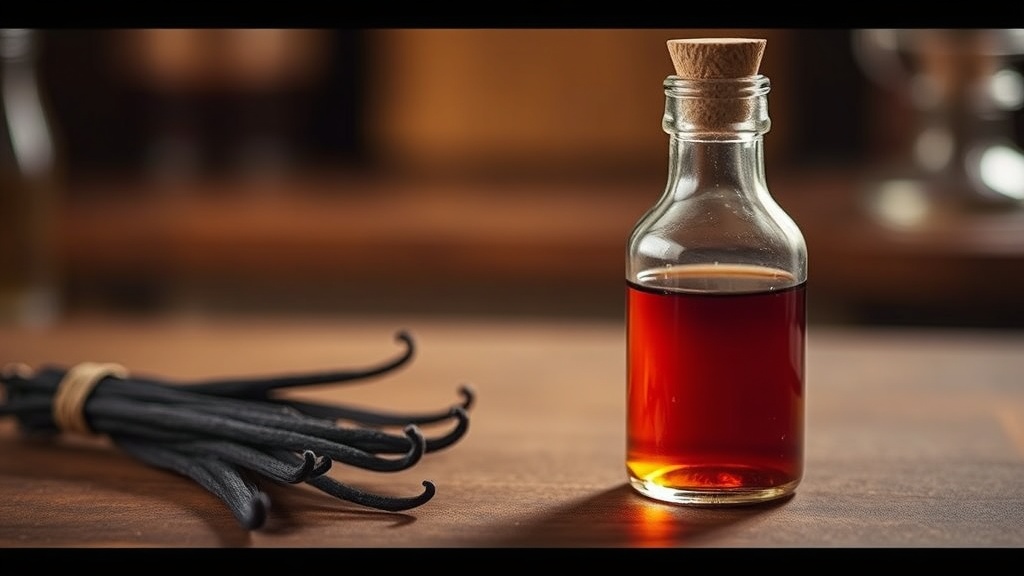
One thing to watch out for: make sure the beans stay submerged. If they float to the top and stay exposed to the air, they might not infuse properly. I usually give the jar a gentle shake once a week just to keep things moving. It's a low-effort task, but it's a satisfying one when you see that liquid turning from clear to a deep, dark amber over the months.
If you're a person who likes to see immediate results, this might be a bit frustrating. However, the difference between a 1-month extract and a 6-month extract is night and day. The 6-month version has a much smoother, rounded flavor without that sharp "alcohol bite" that can sometimes ruin a delicate custard or buttercream.
It's a bit like waiting for a sourdough starter to mature. You can't rush the biology of it. Just like when you're learning to get the perfect crumb with temperature controlled water, you have to respect the time it takes for flavors to develop. If you try to skip the waiting, you're just making flavored vodka, not true vanilla extract.
A quick tip for the impatient: if you have leftover bits of vanilla bean from a recipe, don't throw them away! You can toss those scraps into your extract jar. It's a great way to ensure nothing goes to waste. I've found that even the "ends" of the beans contribute a lot of flavor once they've been soaking for a while.
The beauty of making your own is that you can customize it. Want a vanilla extract with a hint of vanilla bean powder? Add it in. Want to use a specific brandy to give it a richer profile? Go for it. There are no rules here, only your preference. Just remember to label your jar clearly with the date you started it. You'll thank yourself in six months when you're looking at a bunch of unlabeled jars and wondering, "Wait, is this the vanilla or the bourbon?"
If you're looking for more ways to customize your baking pantry, you might find it interesting to look into how different fats and liquids change the texture of your treats. But for now, just focus on the beans and the bottle. It's a simple, rewarding way to feel more connected to your baking process.