Beyond the Oven: 4 Ancient Grains to Elevate Your Weekend Bakes

Einkorn: The Original Wheat
Spelt: The Versatile Heirloom
Teff: The Tiny Superfood
Amaranth: The Golden Grain
Many home bakers believe that to achieve a "professional" or "artisanal" loaf, you must stick strictly to high-protein bread flour or perhaps a touch of rye. There is a common misconception that adding complex, ancient grains will automatically ruin your dough structure, making it too heavy, too dense, or too difficult to ferment. While it is true that certain grains can be temperamental, incorporating these heritage varieties isn't about making baking harder; it is about expanding your flavor profile and nutritional density without sacrificing the joy of the process.
When you move beyond the standard white and whole wheat flours, you enter a world of varying protein contents, hydration requirements, and enzymatic activities. Understanding these nuances allows you to use grains like Spelt, Einkorn, or Teff not just as "add-ins," but as the foundation of a sophisticated bake. Whether you are looking to deepen the nutty undertones of a sourdough boule or add a subtle sweetness to a seasonal quick bread, these four ancient grains offer a toolkit for more intentional baking.
1. Spelt: The Versatile Gateway Grain
Spelt is often the first step for bakers looking to transition away from modern wheat. It is a relative of common wheat, but it possesses a much thinner bran and a more delicate gluten structure. Because the gluten in spelt is more extensible (stretchy) but less elastic (resilient) than modern bread flour, it requires a specific approach to prevent a collapsed loaf.
How to Use Spelt in Your Bakes
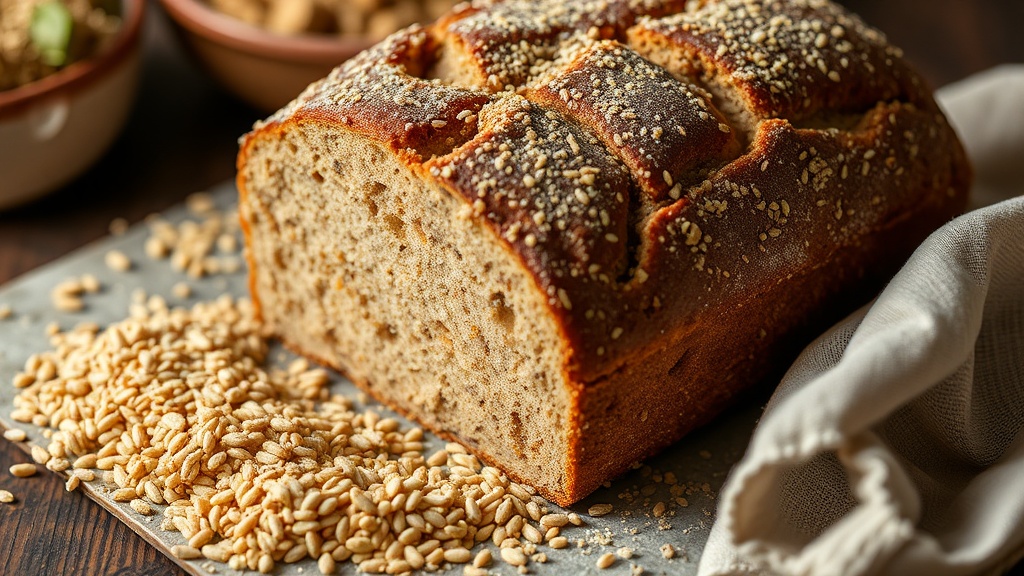
If you are used to a standard sourdough routine, you might notice that a 100% spelt loaf lacks the "spring" of a traditional wheat loaf. To avoid a flat bake, I recommend starting with a blend. A ratio of 20% to 30% spelt flour mixed with a strong, high-protein bread flour (like King Arthur Bread Flour) provides the best of both worlds: the rich, honey-like flavor of spelt with the structural integrity of modern wheat.
- Hydration Tip: Spelt absorbs water differently. It tends to soak up moisture quickly but can become "slimy" if over-hydrated. If you are adding spelt to a sourdough recipe, reduce your total water content by about 5% to maintain a manageable dough consistency.
- Mixing Technique: Avoid heavy kneading. Because the gluten is fragile, over-working the dough in a stand mixer can actually break down the structure. Opt for the "stretch and fold" method during bulk fermentation to build strength gently.
- Flavor Pairing: Spelt has a natural sweetness that pairs beautifully with dried apricots or toasted walnuts.
2. Einkorn: The Ancestral Powerhouse
Einkorn is widely considered the most primitive form of wheat. Unlike modern wheat, which has been bred for high gluten production, Einkorn is low in gluten quantity but high in gluten quality. This means it is incredibly nutrient-dense, packed with vitamins and minerals, but it can be a significant challenge for the uninitiated baker.
The Nuances of Working with Einkorn
The biggest mistake when working with Einkorn is treating it like standard bread flour. If you attempt a long, vigorous kneading session, you will likely end up with a sticky, unmanageable mess. Einkorn does not like to be "worked"; it prefers to be "handled."
When incorporating Einkorn into your weekend projects, consider using it in a "no-knead" style framework. This allows the enzymes to do the work of breaking down the grain without the physical stress of mechanical kneading. You can learn more about the science of how these ingredients interact with your starter by reading why your sourdough bubbles and the magic of fermentation.
- The Autolyse Method: Always perform an autolyse (mixing just the flour and water and letting it rest) before adding salt or starter. This helps the Einkorn fully hydrate and softens the bran, making the dough more cooperative.
- Avoid High Heat: Einkorn can brown more quickly due to its unique sugar profile. If you notice your crust darkening too fast in a 450°F (232°C) oven, tent your loaf with aluminum foil halfway through the bake.
- Best Use Case: Use Einkorn for rustic, open-crumb sourdoughs or even in hearty crackers.
3. Teff: The Tiny Grain with Big Impact
Teff is a tiny, grass-seed-sized grain from Ethiopia that is naturally gluten-free. In the baking world, it is often used as a supplemental flour rather than a primary flour because it is incredibly fine and can make a dough feel quite "thirsty." However, its flavor profile—reminisert of molasses and dark chocolate—is unparalleled.
Elevating Texture and Flavor with Teff
Because Teff is so small and dense, it adds a unique, slightly gritty texture that can be very satisfying in certain types of baked goods. It is an excellent way to boost the nutritional profile of your bakes without the heavy density of larger grains like buckwheat.
Application in Quick Breads and Muffins: If you are looking to add more fiber to your morning routine, Teff is a stellar choice. It integrates seamlessly into muffin batters or even pancake mixes. For a more advanced project, try using Teff flour in a gluten-free sourdough recipe to provide a bit of "weight" and structure that is often missing in GF bakes.
- Hydration Strategy: Teff is highly absorbent. If you are adding Teff flour to a standard recipe, increase your liquid (milk, water, or plant milk) by 10-15% to ensure the final product isn't overly dry or crumbly.
- Color Influence: Teff flour will darken your dough significantly. A Teff-heavy bread will have a deep, dark interior, which can be a beautiful visual cue for a well-baked, hearty loaf.
- Flavor Pairing: It works exceptionally well with warm spices like cinnamon, cardamom, and ginger.
4. Sorghum: The Mellow Grain
Sorghum is a grain that is often overlooked in the home kitchen, yet it is a powerhouse of nutrition and versatility. It has a very mild, slightly sweet flavor that doesn't overpower other ingredients, making it the "chameleon" of the ancient grain world. It is particularly useful for bakers who want to experiment with gluten-free or low-gluten options without the intense "earthy" taste of buckwheat or millet.
Mastering Sorghum in Your Kitchen
Sorghum flour is incredibly fine and can be used to lighten the texture of denser, more traditional whole-grain breads. It acts as a bridge between the heavy, coarse textures of rye and the light, airy textures of wheat.
Technique for Success: When using sorghum, pay close attention to the "crumb" of your bake. Because it lacks the structural strength of wheat, it is best used in a 15-25% ratio within a larger recipe. This ensures that your bread or pastry retains its shape while benefiting from the grain's nutritional profile.
- The Sifting Step: To ensure a smooth texture, always sift your sorghum flour before adding it to your dry ingredients. This prevents small clumps from forming in your batter or dough.
- Complementary Textures: Use sorghum in "enriched" doughs—those that contain fats like butter, oil, or eggs. The fat helps to coat the grain and provides a smoother mouthfeel.
- Pairing with Sweetness: Sorghum is a fantastic addition to seasonal desserts. For example, if you are making a fruit-based tart or a seasonal cake, a touch of sorghum flour can add a sophisticated, subtle depth. For more ideas on boosting nutrition in your bakes, check out these fiber-boosting additions for your desserts.
Summary Table for Quick Reference
To help you decide which grain to reach for during your next weekend baking session, I have put together this quick reference guide based on my own testing and successes.
| Grain | Primary Flavor | Best Use Case | Key Challenge |
|---|---|---|---|
| Spelt | Honey, Nutty | Sourdough Boules, Sandwich Bread | Fragile Gluten (Avoid Over-kneading) |
| Einkorn | Rich, Deep Wheat | Rustic Sourdough, Hearth Breads | Low Elasticity (Requires Autolyse) |
| Teff | Molasses, Cocoa | Muffins, Gluten-Free Bakes | High Absorption (Requires Extra Liquid) |
| Sorghum | Mild, Sweet | Enriched Doughs, Quick Breads | Low Structural Strength (Use in Blends) |
Baking with ancient grains is not about achieving perfection on the first try; it is about the experimentation and the learning process. Each grain has a "personality"—some are stubborn, some are delicate, and some are incredibly forgiving. By understanding these traits, you move from simply following a recipe to truly understanding the science and art of baking. Next time you find yourself at the grocery store or browsing your local mill, look beyond the standard white flour and see what these ancient treasures can do for your kitchen.