
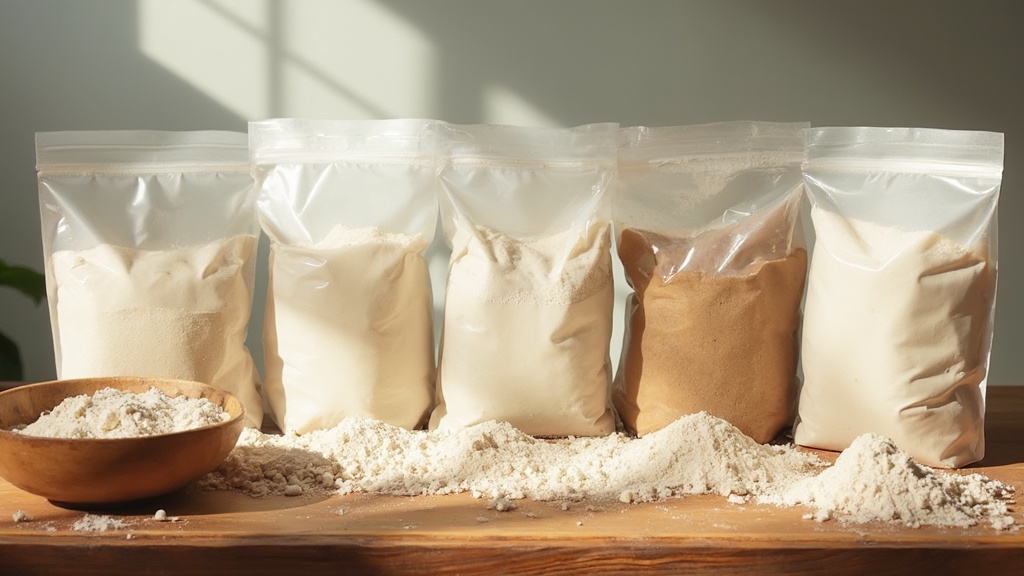
Best Gluten‑Free Flours for Sourdough Starter – Top 5 Picks

Rice Flour
Cheap, neutral, high starch for quick yeast feed
Sorghum Flour
Higher protein and fiber, nutty flavor for sustained activity
Buckwheat Flour
Earthy tang and antioxidants for complex flavor
Oat Flour
Soluble fiber for stable fermentation and sweet undertone
Almond Flour
Healthy fats and protein for aromatic starter, use sparingly
Ever wonder why some gluten‑free sourdough starters fizz like magic while others barely bubble? The secret often lies in the flour you choose. Not all gluten‑free flours behave the same in a starter, and picking the right one can mean the difference between a lively starter and a flat, lifeless mix.
Why does flour matter for gluten‑free starters?
Gluten‑free flours lack the protein network that wheat flour provides, so they rely on starches, sugars, and natural enzymes to feed the wild yeast. Selecting a flour with the right balance of starch and nutrients gives the microbes food they love, leading to a robust, active starter. Below are my five go‑to gluten‑free flours that have consistently produced bubbly, flavorful starters in my kitchen.
What is rice flour and why does it work?
Rice flour is a staple in many gluten‑free recipes because it’s cheap, widely available, and has a neutral flavor. Its high starch content provides quick‑acting sugars for the yeast. However, it can produce a slightly gritty texture if used alone.
How to use: Mix rice flour with a small portion of a higher‑protein flour (like sorghum) for a smoother starter. I usually start with a 1:1 ratio for the first feed.
What makes sorghum flour a starter powerhouse?
Sorghum flour offers more protein and fiber than rice flour, which helps sustain the starter longer. Its slightly sweet, nutty flavor adds depth to the final bread.
How to use: Feed your starter with 100% sorghum flour after the first few days of using rice flour. This transition boosts activity and flavor.
Why choose buckwheat flour for a tangy twist?
Despite its name, buckwheat is gluten‑free and brings a distinctive earthy, mildly bitter note that can make your sourdough taste more complex. It also contains natural antioxidants that support yeast health.
How to use: Substitute up to 25% of your regular flour blend with buckwheat for a subtle tang without overwhelming the starter.
How does oat flour enhance starter stability?
Oat flour is high in soluble fiber, which slows down fermentation just enough to give you a more controllable starter. It also adds a gentle, sweet undertone.
Tip: Use certified gluten‑free oat flour to avoid cross‑contamination. Blend it with sorghum or millet for the best results.
What benefits does almond flour bring to gluten‑free starters?
Almond flour is rich in healthy fats and protein, which can create a richer, more aromatic starter. The downside is that too much fat can slow yeast activity, so keep it to a maximum of 15% of the total flour mix.
How to use: Add a spoonful of almond flour to your regular blend during the second week to boost flavor without sacrificing rise.
How can I put it all together?
My favorite starter blend starts with equal parts rice and sorghum flour for the first three feedings, then I introduce a tablespoon of oat flour and a pinch of buckwheat. By day seven, the starter is lively, aromatic, and ready for baking.
For a deeper dive into starter maintenance, check out my Beginner Guide to Gluten‑Free Sourdough Starter. If you’re curious about pantry checks before each bake, my Ingredient Checkups article walks you through the three essential tests. Also see What "Room Temp" Butter Actually Means for another common baking tip.
Takeaway
Choosing the right gluten‑free flour is the foundation of a successful starter. Experiment with the five flours above, adjust ratios to suit your taste, and watch your starter come alive. Happy baking – and remember, each bubble is a tiny celebration of chemistry with butter!