Why Your Kitchen Scale is Actually Your Best Friend

Don't trust your eyes when measuring flour
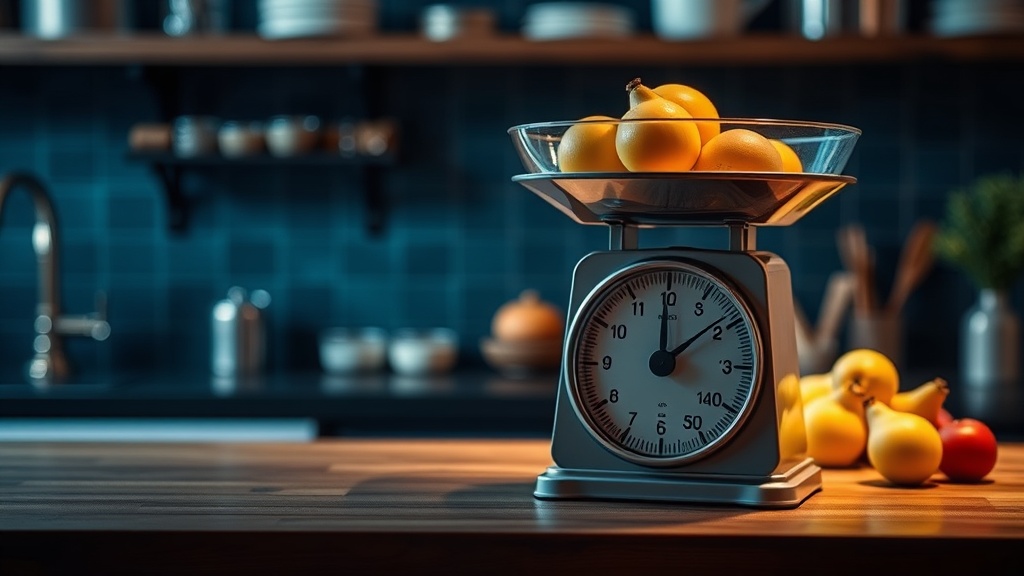
Most people think that a cup of flour is a consistent, reliable measurement. It isn't. If you pack that flour down into the cup, you might end up with way more than the recipe calls for—sometimes up to 30% more! This little mistake is exactly why your cakes turn out heavy or your bread feels like a brick. Instead of relying on volume, you should be looking at weight. Using a digital scale turns baking from a guessing game into a predictable, repeatable process. It's the simplest way to stop the frustration of a failed bake before you even preheat the oven.
When you use a scale, you're working with precision. A gram is always a gram, whether it's sitting in a measuring cup or a pile on your counter. This level of accuracy is what separates a "maybe it works" bake from a consistent masterpiece. If you've ever felt intimidated by the math or the equipment, don't worry—it's actually much easier than trying to level off a dozen different spoons.
Do I really need a digital scale for baking?
The short answer? Yes, if you want consistent results. While you can certainly bake using volume measurements, you'll often find yourself adjusting your ratios constantly. Professional bakers almost exclusively use weight because it accounts for variables like humidity and how much air is trapped in the flour. If you're serious about learning the why behind your dough, weighing your ingredients is the first step. It's not just about being "fancy"; it's about being accurate.
Think about the last time you made a batch of cookies that came out too flat or too dry. It's highly likely that your "one cup" of flour wasn't actually one cup. By weighing your flour, you take that variable out of the equation. You can learn more about the physics of baking through resources like the King Arthur Baking website, which offers deep dives into how ingredients interact. A scale is a tool for clarity, not just a gadget for your counter.
How do I start weighing ingredients correctly?
Starting is easier than you think. You don't need an expensive laboratory-grade instrument; a simple, inexpensive digital kitchen scale will do the trick. Here is a quick way to get into the habit:
- Zero the scale: Place your empty bowl on the scale first, then hit the "tare" or "zero" button. This tells the scale to ignore the weight of the bowl.
- Add ingredients one by one: Instead of using multiple bowls, you can add your flour, then hit tare again, then add your sugar. This keeps your cleanup simple and your workflow fast.
- Watch the decimals: If your scale has a decimal point, pay attention to it. For small amounts like salt or yeast, even a few grams can change the texture of your dough.
A great place to check standard conversions is the National Institute of Standards and Technology, which provides a foundation for understanding measurement systems. Once you start weighing, you'll realize that many recipes online are actually much easier to follow when they are written in grams rather than cups.
What are the most common weighing mistakes?
One of the biggest mistakes is forgetting to tare the scale after adding a new container. If you put a bowl down, forget to zero it, and then pour your flour in, you're going to have a very strange afternoon. Another one is failing to account for the weight of liquid versus dry ingredients. While you can weigh water or milk, some people still prefer using a measuring jug for liquids. However, in many high-hydration doughs, weighing your water is much more reliable than watching a line on a plastic jug.
If you're making a sourdough, for instance, the hydration level (the ratio of water to flour) is everything. A few grams of extra water can turn a dough from a manageable loaf into a sticky, unworkable mess. Using a scale allows you to hit that specific percentage every single time. It's about building confidence in your ability to manipulate the dough.
Is it better to weigh liquids or use a measuring cup?
In my experience, weighing liquids is actually much faster and more accurate. You don't have to worry about the meniscus (that little curve at the top of the liquid) being at eye level. You just pour until the number hits the target. This works for water, milk, oil, and even melted butter. It's a much cleaner way to work, too—no more pouring liquid from a heavy jug into a tiny measuring cup and spilling half of it on your counter.
If you're making a cake, weighing your liquid ingredients ensures that the ratio of moisture to flour stays exactly where the recipe intended. This is especially important when you're working with ingredients that have different densities. A scale removes the guesswork and gives you the freedom to experiment without the fear of a total mess. It's one of those small changes that makes a massive difference in your baking confidence.
"Precision isn't about being perfect; it's about knowing exactly what you've put into your bowl so you can understand why it worked or why it didn't."