Why Your Brownies Turn Out Cakey Instead of Fudgy (And 5 Ways to Fix It)

Here's something that might surprise you: the difference between fudgy and cakey brownies comes down to just two tablespoons of flour. That's it — the margin between that dense, chewy square you crave and a dry, fluffy disappointment is measured in tablespoons, not cups. If you've been following recipes to the letter and still ending up with cake-like results, you're not imagining things. The culprit usually isn't one big mistake but a series of small missteps that add up to the wrong texture. This post breaks down exactly what's causing your brownies to rise like cake instead of settling into that perfect chewy density — and how to fix each issue without buying fancy equipment or hunting down obscure ingredients.
Why Do My Brownies Turn Out Cakey Instead of Fudgy?
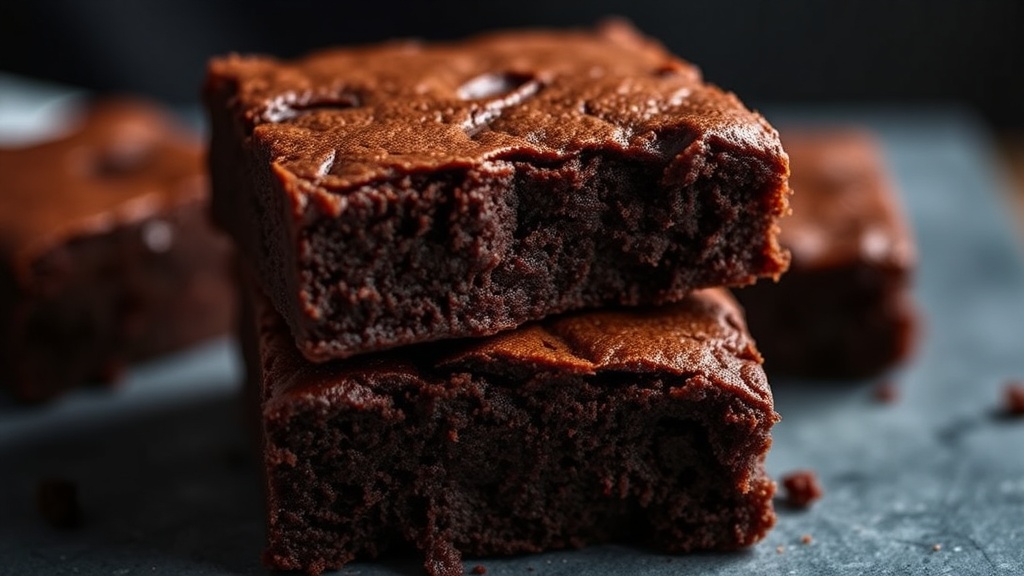
The texture of your brownies depends on the ratio of fat to flour, the amount of air beaten into the batter, and how quickly the exterior sets compared to the interior. Cakey brownies happen when there's too much flour, too much air incorporation, or a batter that's too loose — it rises in the oven like cake, sets fully, and loses that characteristic dense chew. Fudgy brownies, on the other hand, have a tight crumb structure with barely enough flour to hold everything together. They don't rise much, they crack on top, and they stay moist in the center even when fully baked. Understanding this distinction is the first step toward fixing your results.
Is the Fat-to-Flour Ratio Off?
The foundation of fudgy brownies is fat — specifically butter and chocolate. When your ratio skews toward flour, you get structure (that's cake territory). When it skews toward fat, you get that dense, almost underbaked texture that defines great brownies. If your recipe calls for more than about 3/4 cup of flour per stick of butter, you're in cakey territory regardless of how you mix it. Try reducing the flour by 2-3 tablespoons or increasing the chocolate by an ounce or two. Some bakers swear by adding an extra egg yolk (without the white) to boost fat content without adding air — the lecithin in yolks helps create that tight, fudgy structure you're after. (King Arthur Baking has an excellent breakdown of how these ratios affect final texture.)
You're Using the Wrong Type of Chocolate
Unsweetened cocoa powder behaves very differently than melted chocolate in brownies. Cocoa absorbs liquid and creates a drier, more cake-like crumb — great for chocolate cake, not what you want here. Melted chocolate contains cocoa butter, which stays soft at room temperature and creates that signature fudgy mouthfeel. If your recipe calls for only cocoa powder, try swapping half of it for melted bittersweet chocolate (about 3 ounces chocolate for every 1/4 cup cocoa). The added fat makes a noticeable difference. And if you must use all cocoa, make sure it's Dutch-processed — the alkalizing treatment makes it dissolve more readily into fat, creating a smoother, denser batter.
Does Mixing Method Really Matter?
Absolutely — and this is where most home bakers go wrong. Cake recipes tell you to beat air into the batter because that's what creates rise and lightness. Brownies need the opposite approach. When you beat eggs vigorously before adding other ingredients, or when you use an electric mixer to combine everything, you're incorporating air that expands in the oven and creates lift. That lift is exactly what turns brownies cakey. The fix is simple: mix by hand with a wooden spoon or rubber spatula. Whisk your dry ingredients separately, then fold them into the wet ingredients until just combined. Some lumps are fine — overmixing is the real enemy here. (Serious Eats' Food Lab explains the science behind minimal mixing for dense results.)
Too Many Eggs (or Too Much Beating)
Eggs provide structure through protein, but they also trap air when beaten. Most brownie recipes call for 2-3 eggs, but if you're beating them until frothy before adding sugar, you're essentially making a meringue that will puff in the oven. Instead, crack eggs directly into your melted chocolate-butter mixture and stir gently just until the yellow disappears. If your recipe seems egg-heavy, try using one fewer egg or adding an extra yolk in place of a whole egg. The protein in whites sets firmly when baked, while yolks stay tender and rich.
Is Your Oven the Problem?
Oven temperature issues create two paths to cakey brownies. If your oven runs cool, the brownies take longer to bake, giving them time to rise and set like cake before the top crust forms. If it runs hot, the outside sets too quickly while the inside continues to expand — this creates a dome shape and cakey interior rather than flat, dense squares. Get an oven thermometer (they're about $8) and check the actual temperature against your dial setting. Most home ovens are off by 25-50 degrees. For brownies, you want an accurate 350°F — no higher, no lower. Position your rack in the lower third of the oven so the tops don't set before the centers finish baking.
Wrong Pan Size Creates Issues
A 9x13 pan and an 8x8 pan aren't interchangeable for brownies — they're dramatically different in surface area. When you pour brownie batter meant for a 9x13 into an 8x8, the extra depth means longer baking time, which leads to more rise and cakey texture. Conversely, spreading 8x8 batter into a 9x13 creates thin, overcooked brownies. Stick to the pan size in your recipe, or do the math to adjust: an 8x8 holds 8 cups, a 9x9 holds 10 cups, and a 9x13 holds 14 cups. If you must substitute, adjust baking time accordingly — shallower pans need less time, deeper pans need more (and often lower temperature).
Are You Overbaking?
Fudgy brownies should come out of the oven when the center still jiggles slightly — they'll continue cooking from residual heat as they cool. If you wait until a toothpick comes out completely clean, you've gone too far. The internal temperature should hit about 165°F for fudgy brownies (cakey ones go to 190°F+). Start checking about 5 minutes before your recipe's stated time. Look for edges that are set and slightly pulled from the pan, with a center that looks slightly underdone. (Sally's Baking Addiction recommends the "slightly underbaked" rule for best texture.) Let them cool completely in the pan before cutting — they firm up as they sit, and cutting warm brownies ruins the texture and makes a mess.
The Sugar Makes a Difference Too
Granulated sugar dissolves differently than brown sugar in brownie batter. White sugar creates crisp tops and cakey interiors because it crystallizes as it cools. Brown sugar (especially dark brown) adds moisture and acidity from molasses, creating chewier, fudgier results. If your recipe calls for all white sugar, try swapping half for packed dark brown sugar. The added moisture helps keep the interior dense even after full baking. Don't reduce the sugar amount hoping for "healthier" brownies — sugar isn't just sweetness; it's structure and moisture, and cutting it changes the chemistry significantly.