Traditional Irish Soda Bread: Easy Recipe for St. Patrick's Day

Looking for a quick, no‑yeast bread that feels unmistakably Irish? This traditional Irish soda bread comes together in under an hour, perfect for a St. Patrick’s Day table.
Why bake Irish soda bread for St. Patrick’s Day?
Irish soda bread has been a pantry staple in Irish homes for centuries. It’s born out of necessity—using baking soda instead of yeast made it fast and affordable when leavening agents were scarce. Today it’s a festive, comforting way to honor Irish heritage without spending hours kneading.
What you’ll need (ingredients)
- 4 cups (500 g) all‑purpose flour
- 1 teaspoon baking soda
- 1 teaspoon salt
- 1 ½ cups (360 ml) buttermilk, chilled
- Optional: 1 cup raisins or caraway seeds for extra flavor
All of these ingredients are pantry‑friendly—no special trips required.
What equipment should I have ready?
- Large mixing bowl
- Wooden spoon or sturdy spatula
- Kitchen scale (optional, but helpful for accuracy)
- Baking sheet or cast‑iron skillet
- Parchment paper
How do I make the dough?
- Preheat your oven to 425 °F (220 °C) and line a baking sheet with parchment.
- In a large bowl, whisk together flour, baking soda, and salt until well combined.
- Make a well in the center and pour in the chilled buttermilk. Stir quickly with a wooden spoon until a shaggy dough forms—do not over‑mix.
- Turn the dough onto a lightly floured surface, gently knead 3‑4 times to shape a rough ball. If adding raisins or caraway seeds, fold them in now.
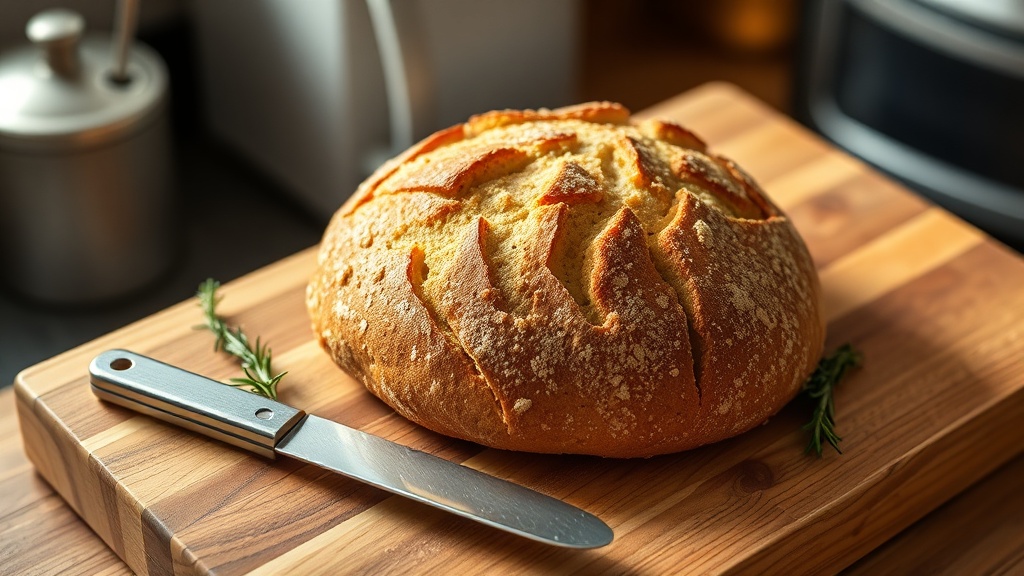
- Transfer the dough to the prepared sheet, flatten to about 1‑inch thickness, and score a deep “X” on top. This helps the heat reach the centre.
- Bake for 30‑35 minutes, or until the crust is golden and the loaf sounds hollow when tapped.
- Cool on a rack for at least 15 minutes before slicing. Serve warm with butter or jam.
Pro tips for the best soda bread
- Use cold buttermilk. The contrast with the warm oven gives a tender crumb.
- Don’t over‑mix. Over‑working the dough develops gluten, making the bread tough.
- Score a deep “X”—the traditional cross lets the heat escape and prevents the loaf from cracking.
- If you prefer a softer crust, brush the top with melted butter halfway through baking.
Common mistakes to avoid
- Using too much flour. It dries out the loaf; weigh your flour for consistency.
- Skipping the “X” score—without it the bread can puff unevenly.
- Baking at a lower temperature; the crust won’t develop that classic caramelized edge.
- Leaving it on the pan too long after baking; it continues to cook and can become gummy.
Cultural significance of Irish soda bread
Historically, Irish families baked soda bread on holy days—St. Patrick’s Day being the most celebrated. The simple recipe reflects Ireland’s agrarian roots, where ingredients like buttermilk were readily available from dairy farms.
More St. Patrick’s Day inspiration
Check out my Top 5 Irish Products for pantry ideas, and the St. Patrick’s Day Brunch roundup for a full menu. If you’re new to bread baking, the 3 Bread Recipes guide is a great place to start.
Storing leftover soda bread
Wrap the loaf tightly in foil or a clean kitchen towel and keep it at room temperature for up to two days. For longer storage, slice and freeze—toast directly from the freezer for a fresh‑out‑of‑the‑oven feel.
Enjoy the warm, buttery crumb of this classic Irish soda bread and celebrate St. Patrick’s Day the delicious way!