
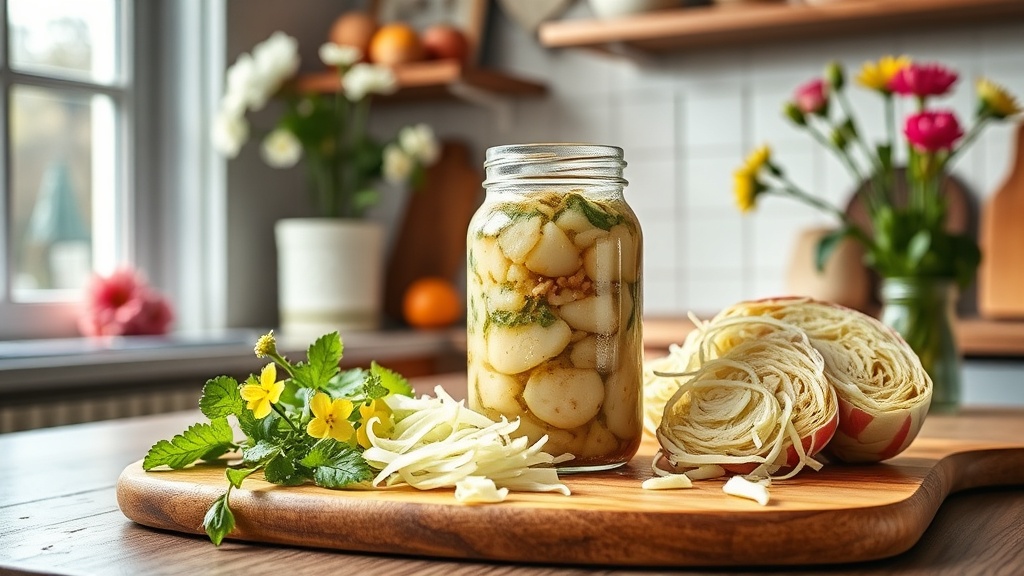
Master Homemade Sauerkraut: Step‑by‑Step Gut‑Healthy Guide

Ever wondered how to turn a humble cabbage into a crunchy, tangy side that fuels your gut? This guide walks you through a foolproof brine method, the perfect fermentation timeline, and creative ways to showcase sauerkraut on your Easter table.
What equipment do I need for sauerkraut fermentation?
You only need a few kitchen staples:
- A large glass or ceramic jar (1‑2 L capacity works well)
- A fermentation weight or clean stone to keep the cabbage submerged
- A breathable cloth and rubber band or a fermentation lid
- A kitchen scale for precise salt ratios
All of these items are likely already in your pantry — if not, they’re inexpensive to stock up on.
How do I prep the cabbage for optimal crunch?
Start with fresh, organic green cabbage (about 1.5 kg for a 2 L jar). Remove any wilted outer leaves, then slice the cabbage into thin ribbons—about 1‑2 mm thick. A food‑processor or mandoline speeds this up.
Salt is the magic. Use 2 % salt by weight (20 g salt per 1 kg cabbage). Sprinkle the salt over the shredded cabbage, then massage for 5‑7 minutes until the cabbage releases its juices. This creates the brine that will ferment your veggies.
How long should I ferment, and at what temperature?
Fermentation thrives at 65‑70°F (18‑21°C). Pack the cabbage tightly into the jar, press it down so the brine covers the surface, and add your weight. Seal with the cloth and let it sit:
- Day 1‑3: Mild fizz, aroma of fresh cabbage.
- Day 4‑7: Tangier flavor develops; taste daily.
- Day 7‑14: Desired sourness—most people stop here for a bright, crunchy sauerkraut.
If you prefer a deeper, more pungent profile, extend to 21‑28 days, but keep an eye on texture.
How can I tell when my sauerkraut is ready?
Look for these signs:
- All cabbage is submerged under brine (no floating pieces).
- It smells pleasantly sour, not off‑putting or rotten.
- Texture remains crisp—press a piece between fingers; it should snap.
When these criteria are met, transfer the jar to the fridge. Cold temperatures slow fermentation, preserving the flavor for months.
How should I store and use my homemade sauerkraut?
Store the sealed jar in the refrigerator (40°F/4°C). It will keep for 3‑6 months. Use it as a tangy topping for:
- Spring Easter brunch platters—pair with smoked salmon and dill.
- Hearty grain bowls (quinoa + roasted carrots + sauerkraut).
- Classic Reuben sandwiches, or simply as a side with grilled sausages.
For a quick flavor boost, stir a spoonful into warm soups right before serving.
Pro tips for perfect sauerkraut
- Use non‑iodized salt. Iodine can inhibit the beneficial lactobacilli.
- Add spices. Caraway seeds, juniper berries, or a pinch of ginger elevate the taste without complicating the process.
- Keep it airtight after the first week. Once you’re happy with the flavor, switch to a regular screw‑top lid to lock in the tang.
Common mistakes and how to fix them
- "My cabbage turned mushy." — Use too little salt or pack it loosely. Add extra salt and press firmly.
- "I see white mold on the surface." — That’s harmless kahm yeast; skim it off and ensure the cabbage stays submerged.
- "It smells rotten." — Likely contaminated; discard and start fresh with sterilized equipment.
Takeaway
Homemade sauerkraut is a low‑effort, gut‑friendly staple you can prep this spring and enjoy all season long. With just cabbage, salt, and patience, you’ll have a versatile, probiotic‑rich side ready for Easter gatherings and everyday meals.
Further Reading
- Quick Fermentation for Spring Veggies: Boost Gut Health — A deeper dive into fermenting carrots, radishes, and more.
- Spring Pantry Overhaul: How I Stocked Up on Fiber‑Rich Staples for Gut Health — Tips on sourcing quality cabbage and other spring produce.
- Spring Fiber‑Packed Quinoa & Roasted Veggie Bowl — A recipe that pairs beautifully with sauerkraut.
Ready to start fermenting? Grab a jar, shred that cabbage, and let the good bacteria do the work!