How to Nail the Perfect Pie Crust Every Time

Why a Perfect Pie Crust Matters
Ever cut into a pie only to find a soggy, cracked bottom? A flaky, buttery crust is the foundation of any great pie, and getting it right feels like mastering a secret baking super‑power. In this guide, I’ll break down the science, share my exact routine, and fix the five most common mistakes that keep bakers from achieving that perfect, golden edge.
What You’ll Need
- All‑purpose flour (or a 50/50 blend of AP and cake flour for extra tenderness)
- Cold unsalted butter, cut into ½‑inch cubes
- Ice‑cold water (about ¼ cup, adjust as needed)
- Salt (a pinch)
- Optional: 1 tbsp sugar for a lightly sweet crust
How Do You Keep Butter Cold? (And Why It’s Critical)
Cold butter creates room‑temperature butter myths that many home bakers fall into. When butter stays solid until it hits the oven, it releases steam that separates the layers of dough, producing those coveted flaky pockets. If the butter warms too early, it blends into the flour, yielding a tough, cookie‑like crust.
Step‑by‑Step: Building the Crust
- Prep the flour. In a large bowl, whisk 2 ½ cups flour with 1 tsp salt (and sugar, if using). This distributes the salt evenly and prevents clumps.
- Cut in the butter. Toss the cold butter cubes into the flour. Using a pastry cutter, two forks, or a food processor on pulse, blend until the mixture resembles coarse peas—about ¼‑½ inch pieces of butter remain visible. Proper butter handling is the difference between flaky and dense.
- Add ice water. Sprinkle ¼ cup ice water over the mixture, stirring with a fork until the dough just holds together when pressed. Add extra water a tablespoon at a time if needed; the dough should be moist but not sticky.
- Form the dough. Gather the dough into a ball, then flatten into a disc. Wrap tightly in plastic wrap and chill for at least 30 minutes (or up to 2 days). This rest lets the gluten relax and the butter re‑solidify.
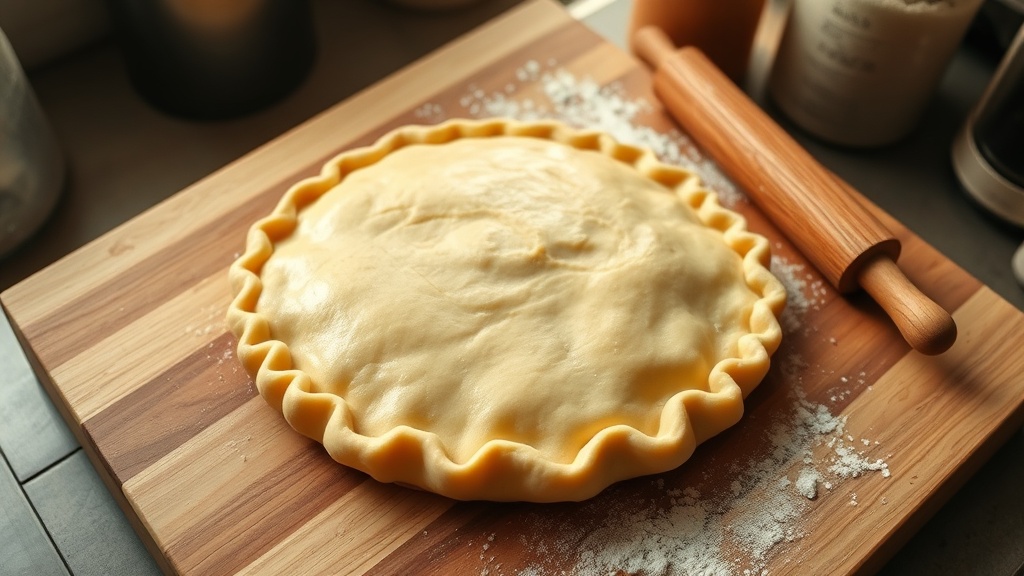
- Roll and bake. On a lightly floured surface, roll the disc to a 12‑inch circle. Transfer to a pie pan, trim excess, and chill again for 10 minutes before adding filling. Bake as directed—usually 375°F (190°C) for 45‑55 minutes, covering the edges with foil if they brown too quickly.
What Are the Most Common Pie Crust Mistakes?
- Using warm butter. The dough becomes greasy and loses flakiness. Fix: Keep butter in the freezer until the last minute.
- Over‑mixing the dough. This develops gluten, making the crust tough. Fix: Stop mixing as soon as the dough holds together.
- Skipping the chill. Warm dough shrinks in the oven, causing cracks. Fix: Always chill the dough at least 30 minutes.
- Too much water. The crust becomes soggy. Fix: Add water gradually; you may need less than the recipe calls for.
- Not blind‑baking when needed. A wet filling can soak the bottom. Fix: Use pie weights or beans for a 10‑minute blind bake before adding juicy fillings.
How Do Ingredient Quality and Science Influence Your Crust?
Flour protein content matters. USDA lists AP flour at 10‑12% protein—perfect for pie crust. For an even more tender result, blend in cake flour (8‑9% protein). The King Arthur Flour guide confirms this ratio.
Butter’s fat‑in‑water emulsion creates steam pockets. A Serious Eats article explains how the water in butter expands, separating dough layers and delivering that melt‑in‑your‑mouth texture.
What’s the Best Way to Store Unbaked Pie Crust?
Wrap the chilled disc tightly in plastic, then place it in a freezer‑safe bag. It will keep for up to two months. Thaw overnight in the fridge before rolling out. This method lets you batch‑prepare crusts for busy weeks.
Takeaway
Perfect pie crust isn’t magic—it’s cold butter, minimal mixing, and a good chill. Follow the steps, avoid the five common pitfalls, and you’ll bake pies that look as good as they taste. Next time you’re ready to fill a crust, remember to keep everything cold, don’t over‑work the dough, and always give it a rest.
Related Reading
- Ingredient Checkups Before Every Bake — quick pantry tests to keep your bakes on point.
- Why Your Bread Didn’t Rise — gluten insights that also apply to flaky pastries.
- 7 Baking Myths — debunked myths that often lead to crust failures.
Steps
- 1
Prep the flour and butter
Whisk flour, salt, and optional sugar, then cut cold butter into the mixture until it resembles coarse peas.
- 2
Add ice water and form dough
Sprinkle ice water, stir until just combined, shape into a disc, wrap, and chill for at least 30 minutes.
- 3
Roll, chill, and bake
Roll the chilled dough, fit into a pie pan, chill again, add filling, and bake at 375°F, covering edges if needed.