The Rosemary Focaccia That Will Transform Your Kitchen

There's Something Magical About Focaccia
There's something magical about the way focaccia transforms a simple afternoon into a celebration. I still remember the first time I pulled a golden slab of rosemary-flecked bread from my oven—the aroma was so intoxicating that my husband wandered into the kitchen asking if we'd somehow been transported to a tiny bakery in Tuscany. That was five years ago, and this focaccia has since become my love letter to slow Sundays, to the rhythm of kneading dough, and to the joy of tearing into warm bread with people you love.
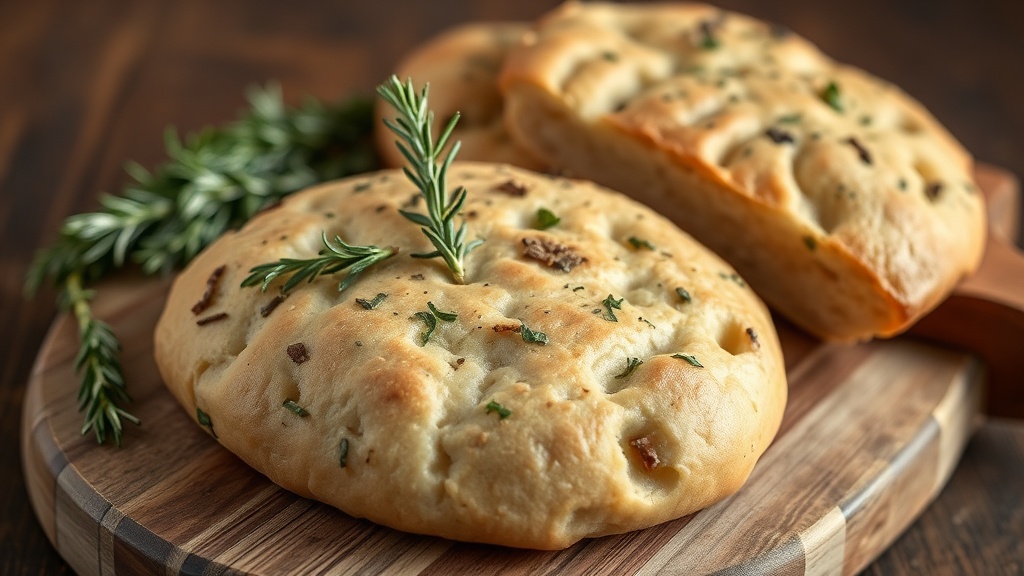
This isn't just bread; it's a canvas. The dimpled surface creates little pools of olive oil that crisp into flavor-packed craters, while fresh rosemary perfumes every bite with piney, earthy notes. What makes this recipe special is its forgiving nature—even if you've never baked bread before, focaccia welcomes you with open arms.
The ingredients matter more than technique here. Start with really good extra virgin olive oil—this is not the place to skimp, as it flavors every bite. You'll need bread flour for that perfect chewy texture, though all-purpose works in a pinch. Fresh rosemary is non-negotiable; dried simply won't give you that fragrant burst. Active dry yeast brings the life, warm water (think bath temperature, not hot) wakes it up gently, and flaky sea salt creates those delightful crunchy pockets on top.
Let's Make Magic Happen
Begin by blooming your yeast in warm water with a pinch of sugar—wait until it looks frothy and alive, about five minutes. In a large bowl, combine your flour and salt, then pour in the yeast mixture along with three tablespoons of olive oil. Here's my secret: the dough should be sticky, almost shaggy. Don't add extra flour! A wet dough creates those beautiful airy holes focaccia is famous for.
Mix until just combined, then let it rest for ten minutes—this relaxes the gluten. Give it a few gentle folds in the bowl, cover with a damp towel, and let it rise until doubled, about an hour. Patience here is your best ingredient.
When you're ready to shape, generously oil your baking pan—yes, really generous, almost a puddle. Gently turn the dough out (don't punch it down aggressively; we're making bread, not boxing). Use your fingertips to dimple the surface deeply, stretching it to the corners. Those dimples are crucial; they hold the olive oil that creates the signature crispy-soft texture.
Drizzle with more olive oil, sprinkle with chopped fresh rosemary and coarse salt, then let it rise again for twenty minutes. Preheat your oven to 425°F (220°C) during this second rise. Bake for 20-25 minutes until deeply golden. The hardest part? Waiting ten minutes before slicing so the crumb sets properly.
Common Stumbles (And How to Avoid Them)
I've watched friends make this recipe and learned where things go sideways. If your yeast doesn't foam in the first step, your water was either too hot (it kills the yeast) or too cold (it won't wake up). The dough should be tacky—if you can knead it cleanly on a counter without it sticking, you've added too much flour.
Another mistake is under-oiling the pan. I know it feels like too much, but that oil creates the signature crispy bottom crust. Also, resist the urge to cut immediately; steam escaping too quickly makes the bread gummy rather than airy.
Variations to Fall in Love With
Once you've mastered the classic, play around! Press halved cherry tomatoes and thin garlic slices into the dough before baking for a pizza bianca vibe. Caramelized onions and thyme create an autumnal version that's perfect with soup. My favorite twist? A sprinkle of za'atar and flaky salt for a Middle Eastern-inspired treat.
Serve this warm from the oven with a bowl of good olive oil and balsamic for dipping, or use it to make the most incredible sandwiches. Leftovers (if you have any) make fantastic croutons or panzanella salad.
Remember, bread baking is about intuition as much as instruction. Trust your hands, trust the process, and most importantly, enjoy the moments of calm while the dough rises. You've got this, and your kitchen is about to smell absolutely incredible.