The Pumpkin Pie That Turned Me Into a Baker

There's Something Magical About Pumpkin Pie
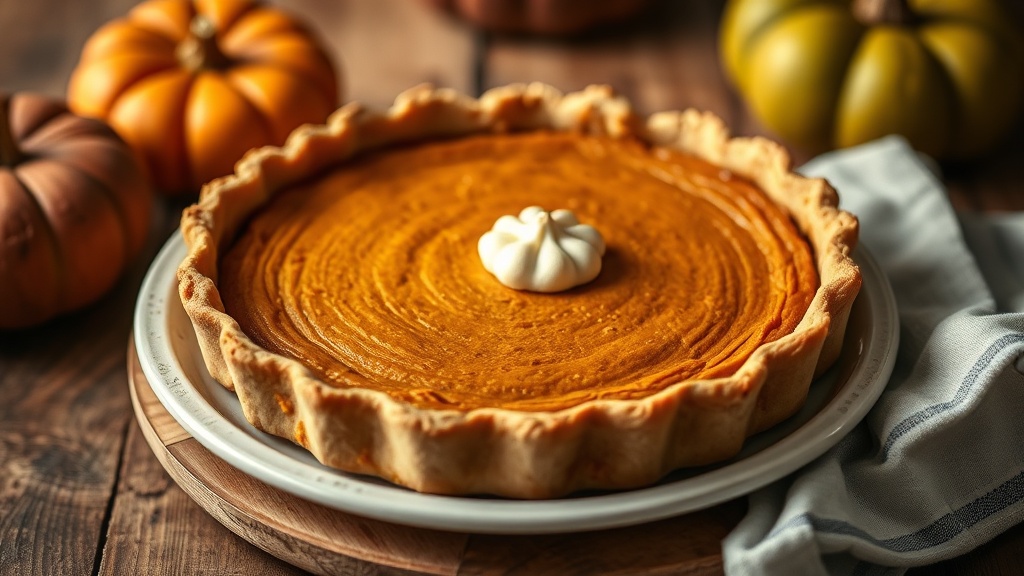
There's something magical about the moment you pull a pumpkin pie from the oven and the whole house smells like cinnamon, nutmeg, and possibility. For me, that golden, slightly cracked surface isn't just dessert—it's the official start of cozy season, of gathering around tables with people I love, and of feeling like everything might just be okay.
Why This Recipe Stole My Heart
I still remember the first time I made this pie. I was twenty-two, living in my first apartment, and desperately trying to recreate my grandmother's Thanksgiving spread. I called her three times in one hour, worried about the jiggle in the center (spoiler: it's supposed to jiggle!). When I finally tasted that silky, spice-kissed filling wrapped in a buttery crust, I cried. Not because it was perfect—it had a small crack right in the middle—but because I'd made something that tasted like home. That's why I come back to this recipe year after year. It doesn't demand perfection; it just asks for your presence.
The Ingredients That Matter
Now, let's talk ingredients, because they truly make the difference between a good pie and a great one. First, the pumpkin: while I adore roasting my own sugar pie pumpkins when I have time, a high-quality canned puree (not pie filling!) is completely acceptable and sometimes even preferable for consistency. The real magic happens in the dairy—heavy cream creates that luxurious, custard-like texture that evaporated milk simply can't match. Freshly grated nutmeg and cinnamon that you've toasted briefly in a dry skillet will change your life; they bloom with warmth that pre-ground spices lose on the shelf. And please, don't skip the vanilla bean paste or good extract—it bridges the gap between the earthy pumpkin and sweet spices.
Let's Bake Together
Here's how we bring it all together. Start by blind-baking your pie crust for about fifteen minutes with pie weights (or dried beans). This prevents the dreaded soggy bottom—yes, it's a real thing, and yes, Paul Hollywood would approve. While that cools slightly, whisk your pumpkin with brown sugar, spices, and salt until smooth. Here's my secret: temper your eggs separately. Beat them gently with the cream and vanilla, then slowly stream this mixture into the pumpkin base. This prevents that grainy, curdled texture that happens when eggs hit hot ingredients too fast.
Pour the filling into your warm crust and slide it into a 350°F oven. The key is patience—bake until the edges are set but the center still has a gentle wobble, about 50-60 minutes. If the crust browns too quickly, shield it with foil. Then—and this is the hardest part—let it cool completely on a wire rack for at least three hours. I know you want to cut into it while it's warm, but trust me, the custard needs time to set properly.
Mistakes I've Made (So You Don't Have To)
I've made every mistake imaginable with this pie, so let me save you some trouble. Don't use jack-o'-lantern pumpkins—they're watery and stringy. Don't overmix your filling once the eggs are added; you'll incorporate air and end up with a foamy, cracked top. And never, ever rush the cooling process. I once served a soupy slice because I was too eager, and while my family was gracious, I knew I'd broken my own rule.
Make It Your Own
If you're feeling adventurous, try swapping the regular crust for a gingersnap cookie base, or drizzle the finished pie with maple caramel. A handful of candied pepitas adds gorgeous crunch, and a bourbon-spiked whipped cream takes it over the top for adult gatherings.
A Warm Slice of Home
However you serve it—with a mountain of whipped cream or a modest dollop—remember that a slightly imperfect homemade pie beats a store-bought one every single time. You've got this, and your kitchen is about to smell incredible.