The Brioche That Made Me Believe in Magic

There's Something Magical About Butter and Patience
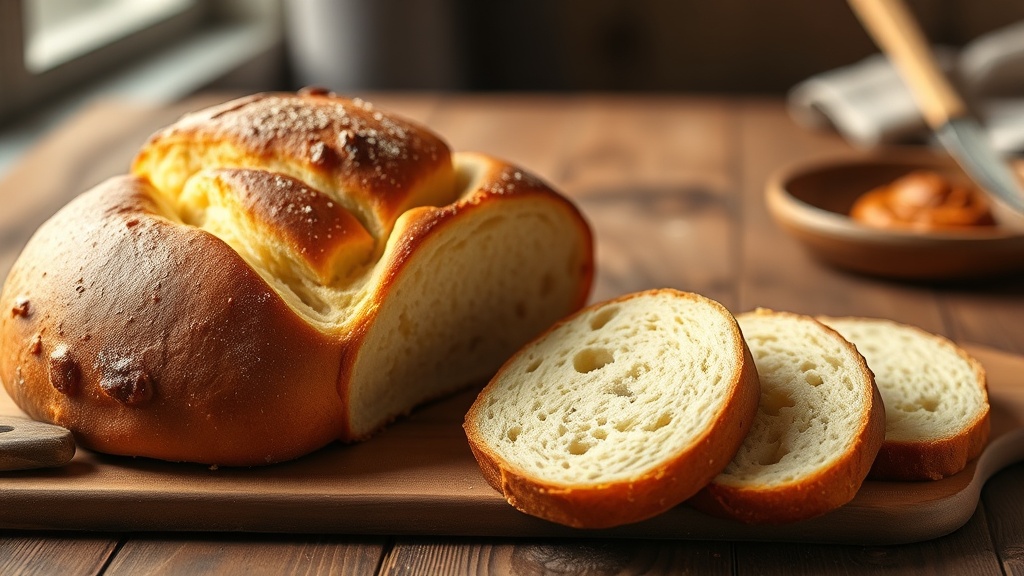
There's something magical about the moment you pull a golden brioche from the oven and that sweet, buttery aroma wraps around you like a warm hug. I still remember the first time I attempted this French classic ten years ago—let's just say my kitchen looked like a flour bomb had exploded, and the resulting loaf was denser than a brick. But when I finally nailed it on my third try? Tears, my friends. Happy, buttery tears dripping down my face as I tore into a still-warm slice that actually tasted like the clouds I'd been chasing.
Brioche has become my Sunday morning ritual, the recipe I turn to when the world feels too fast and I need to slow down. It's not just bread; it's edible luxury that asks for your time but gives back tenfold in tender, golden slices of joy.
The Cast of Characters (And Why They Matter)
Great brioche starts with understanding your ingredients:
- Bread flour: Don't skimp here! The high protein content (12-14%) creates that signature chewy, pull-apart texture. All-purpose will work in a pinch, but you'll miss that distinctive brioche crumb.
- Eggs: Room temperature, and be generous! They're the backbone of this bread, providing richness, that gorgeous yellow color, and the tender structure that makes brioche feel like a hug.
- Butter: European-style with higher fat content is my secret weapon. It must be softened but not melted—think cool room temperature. Cold butter won't incorporate; melted butter makes a greasy mess.
- Yeast: Active dry is perfect here. Check the expiration date! Old yeast leads to flat, sad loaves and broken baker hearts.
- Sugar and salt: The yin and yang—sugar feeds the yeast and creates that mahogany crust, while salt controls fermentation and keeps the sweetness in check.
Let's Bake Together
Step 1: Building the Foundation
In a stand mixer with the dough hook, combine flour, sugar, salt, and yeast. Add eggs one at a time on low speed. The dough will look shaggy, sticky, and like it will never come together—don't panic! This is exactly right.
Step 2: The Butter Dance (Patience Required)
Here's where the magic happens. With the mixer running on medium, add softened butter one tablespoon at a time. Wait until each piece fully incorporates before adding the next. Yes, it takes 15-20 minutes. Yes, your arm might get tired holding the butter. The dough will transform from a sticky mess into a silky, satiny dream that slaps the sides of the bowl cleanly.
Step 3: First Rise
Transfer to an oiled bowl and let rise until doubled—about 2 hours in a draft-free spot. Punch down gently, cover tightly with plastic wrap, and refrigerate overnight. This cold rest is non-negotiable; it firms up the butter and makes shaping possible.
Step 4: Shape and Second Rise
Divide the dough and place in a greased loaf pan, or make individual buns. Let rise again until puffy and filling the pan—about 90 minutes. Brush gently with egg wash (one egg beaten with a splash of milk) for that bakery-worthy shine.
Step 5: Bake to Perfection
Bake at 350°F for 30-35 minutes. If the top browns too quickly, tent with foil. The internal temperature should hit 190°F. Cool in the pan for 10 minutes, then turn out onto a wire rack.
Oops-Proof Your Brioche
I've made every mistake so you don't have to. Adding butter too quickly will break your dough, causing it to separate into a greasy puddle. Skipping the overnight chill means butter everywhere during shaping. Over-baking dries out this delicate bread, so trust your thermometer. And please, don't rush the second rise—under-proofed brioche is dense and heavy instead of light and airy.
Make It Your Own
Once you've mastered the basic loaf, the world is your buttery oyster. Shape into burger buns for the best cheeseburger of your life, swirl in cinnamon and brown sugar for morning rolls, or fold in orange zest and dark chocolate chips for a Pain Suisse twist. Leftovers (if you have any!) make French toast that will make you weep, or bread pudding that tastes like heaven.
Brioche asks for your Saturday evening and Sunday morning, but what it gives back is a golden, tender reminder that some things are worth waiting for. Take your time, trust the process, and enjoy every buttery bite. You've got this, baker.